

In March 2026, I leave Berlin on my motorbike and head for Serbia. I’m going to visit a friend who lives in a small village there. Here you can read about my experiences and what goes through my mind.
A sunny Friday morning in mid-March, it’s time again: the world is calling. Starting off on Berlin’s familiar highway A100, past industrial estates and old building facades stained by exhaust fumes, I head south-east, my motorbike loaded. I leave Germany and cross the border into Poland. In a cool, gray landscape that makes me feel melancholy, I leave the highway and fill up my tank for little money. The surroundings hardly differ from Brandenburg. Only the rolling hills of the Lower Silesia and Opole regions are a change. These and the spring-like smell of freshly fertilized fields will accompany me for a while. I am tucked away in warm clothes and look out into the distance from the small world of my helmet. Later, during a short stop at a service station, a man at the checkout approaches me and comments on my old motorbike and my journey. I can tell from his smile that he can relate to it: the wonderful feeling of being on the road, as if he wanted to ride with me.
The Dutchman Cees Nooteboom wrote the following words in Roads to Santiago, which I often think about on this trip:
“And remember, you are never anywhere not in a name, not in an area with a name, not on a mountain with a name, in a place with a name – you are always in some word that others – never seen, long forgotten – came up with, written down for the first time at some point. We are always in words. And not only in words, but also in history. The present one, like the one from the past.”
Auschwitz
In the afternoon, I research accommodation options and distances and decide to drive to the area around Katowice. I arrive in Auschwitz (Oświęcim) in almost complete darkness. Something leads me to this place today. I check into a simple guest house, tired, unload my things and take a shower. Then I walk a few steps. It’s gloomy, cool and rains lightly. The streets look like any other small town. And yet nothing is normal. I feel uncomfortable, notice a few wandering adolescents, streets and details: buildings, fences, signs, trees, shadows and light. “How can anyone live here in the face of this history?” I ask myself.
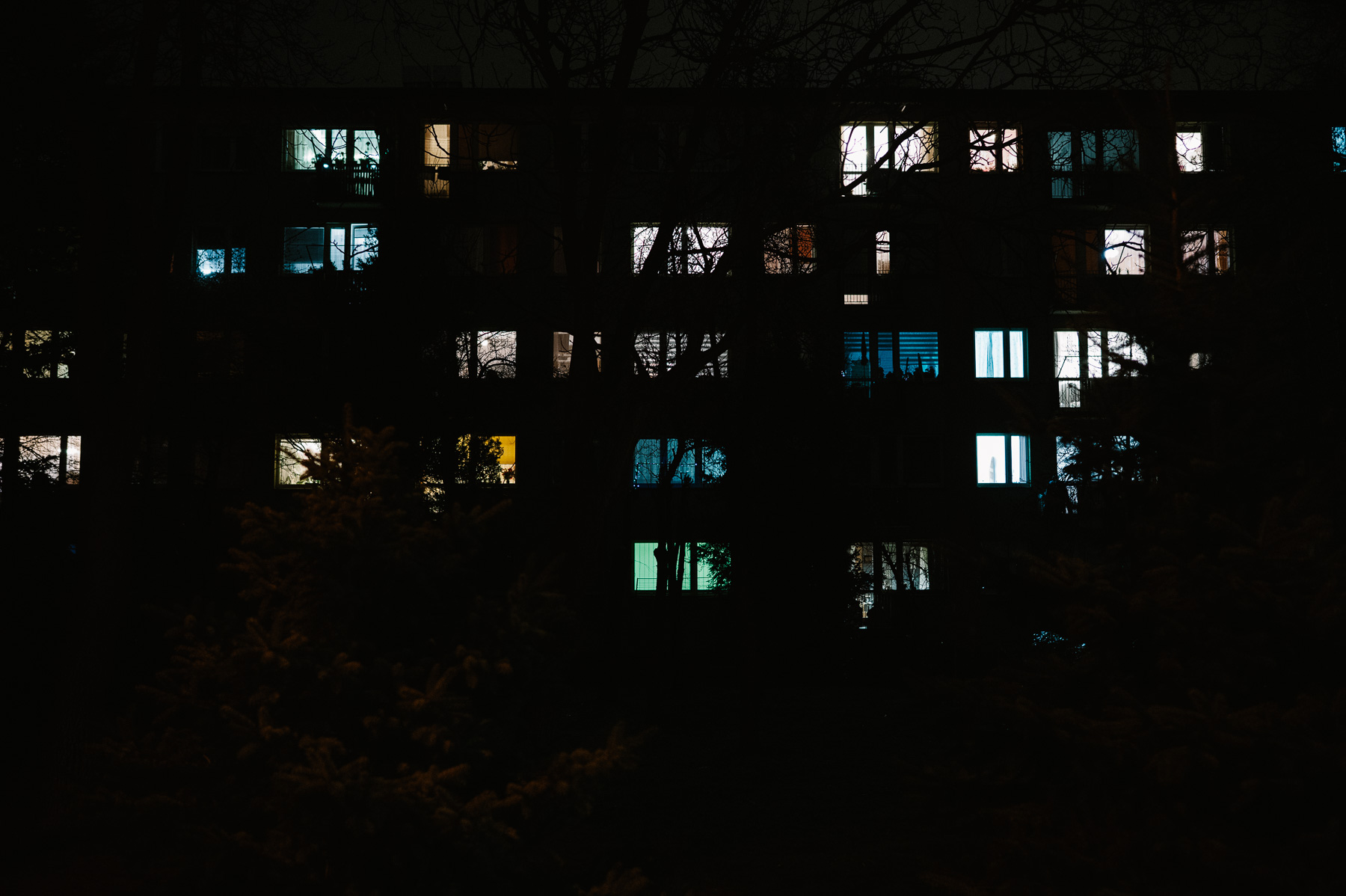
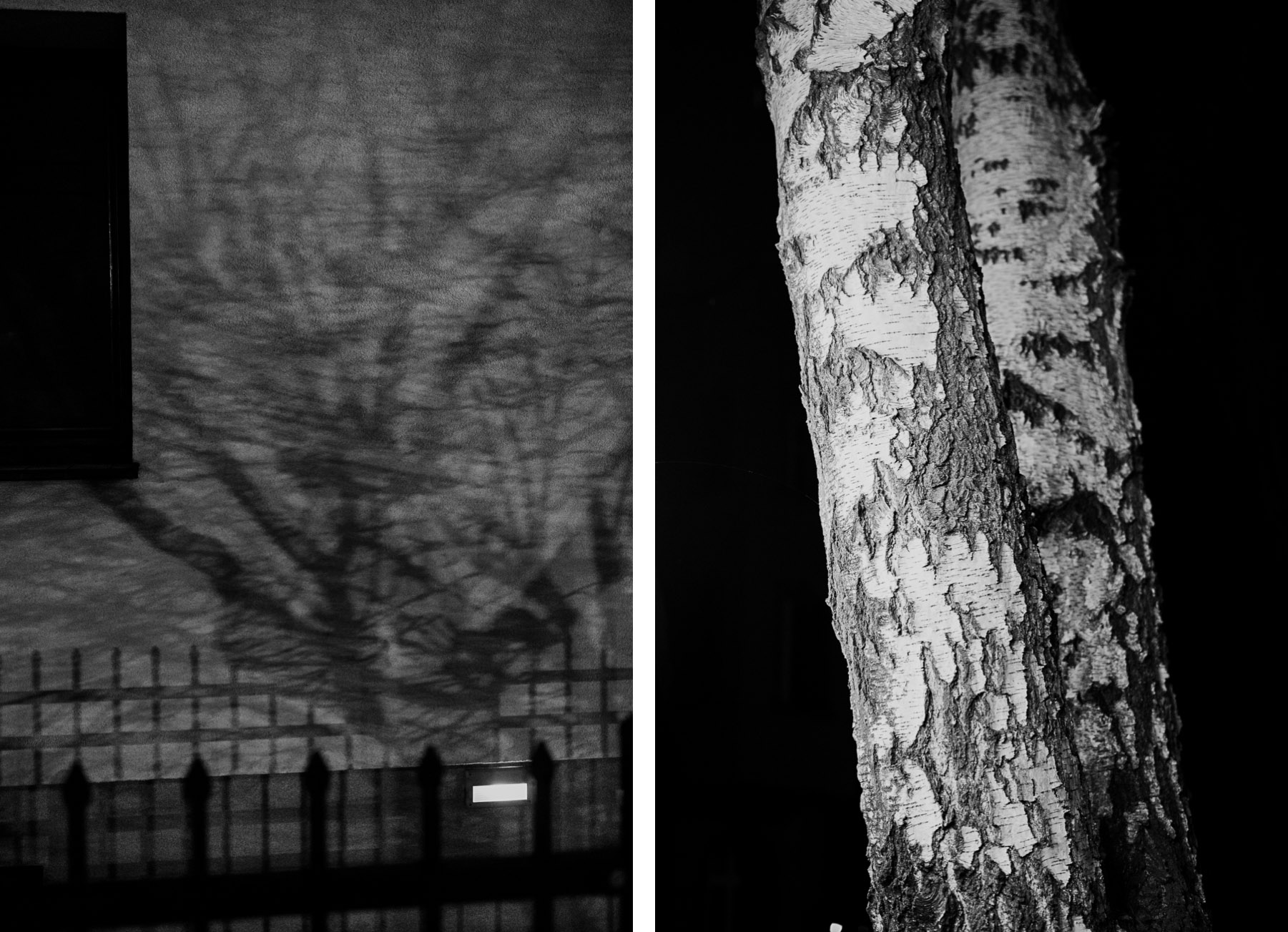
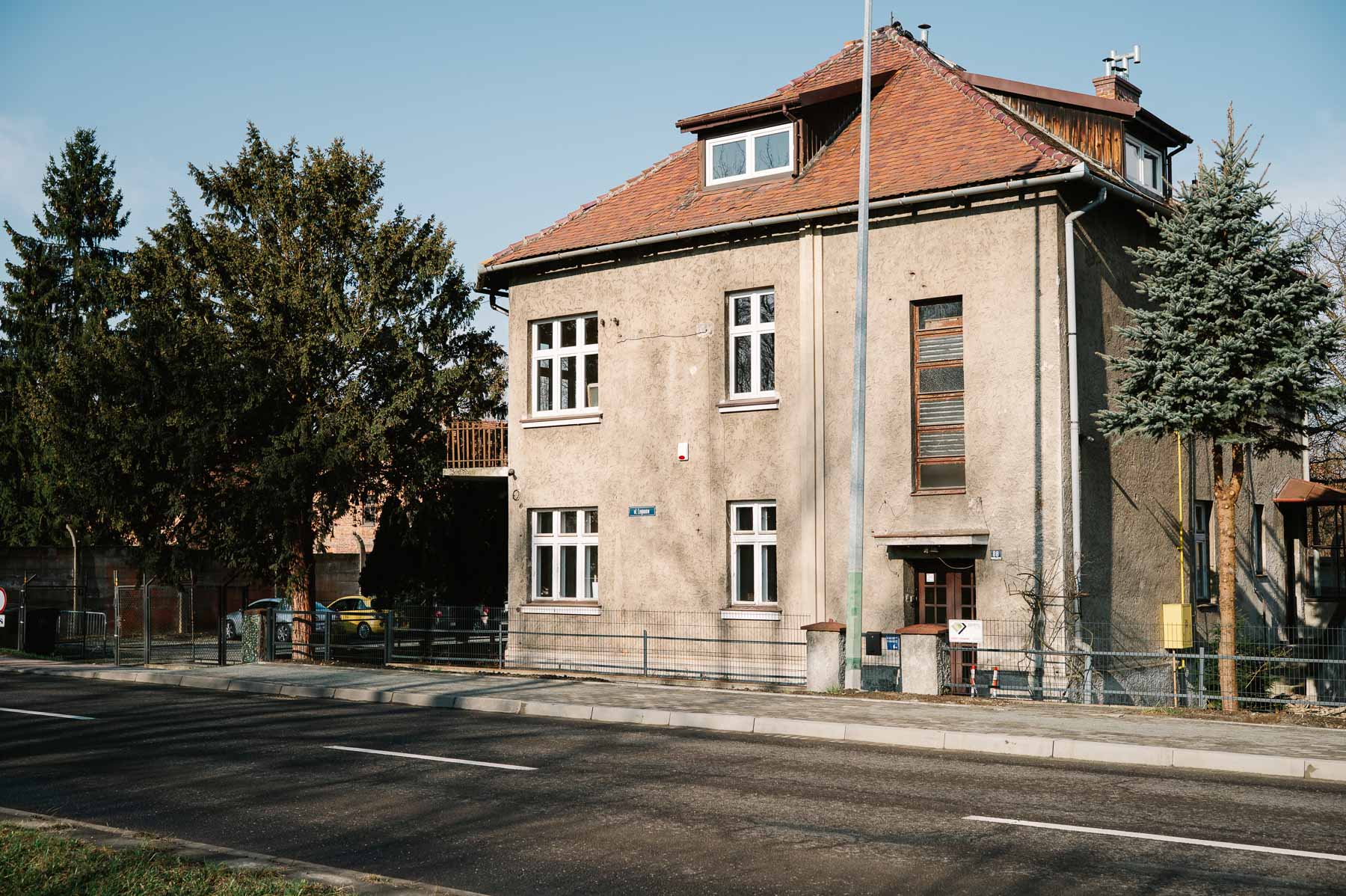
My host Przemek had already informed me that an online reservation is now required for the memorials, which is usually difficult to obtain spontaneously in view of the almost two million visitors (2025: 1.95 million). So the next morning, I drive to the museum entrance next to the main camp of the Auschwitz concentration camp, Auschwitz I. Tickets are no longer available here either. I walk around the camp, along a road above the Soła River, passing the camp commandant’s house at number 88 (known from the gruesome movie The Zone of Interest).
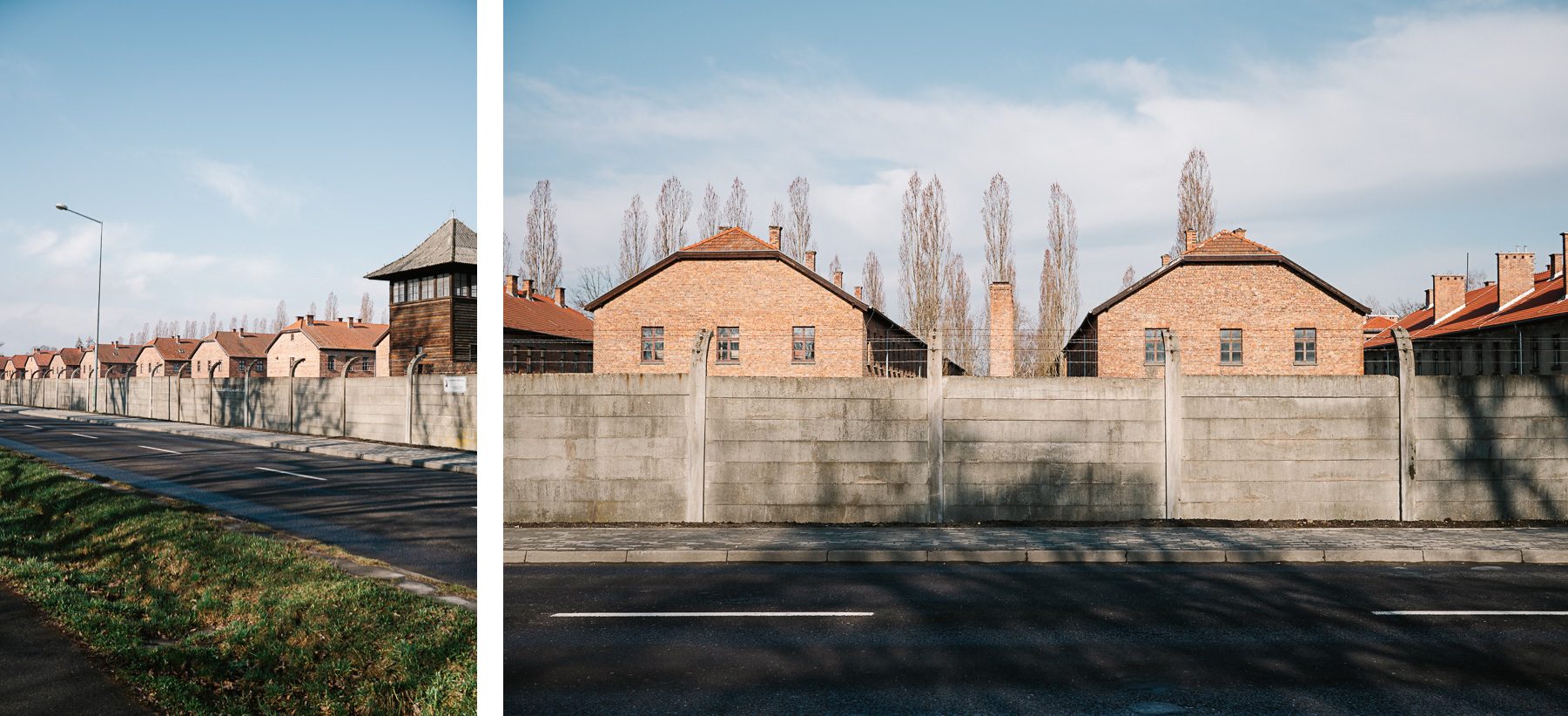
All of this is located in the middle of the city and is part of it, just like the Auschwitz II camp and several other sites. From the outside, the numerous watchtowers, the endless meters of barbed wire and the hundreds of meters of walls look very intact for the most part. You could say “well-maintained”, which sounds absurd, but perhaps that’s exactly right: it looks as if everything had still been in use yesterday. It gives me the creeps. I feel like this all morning. How can everything here look so “normal”?
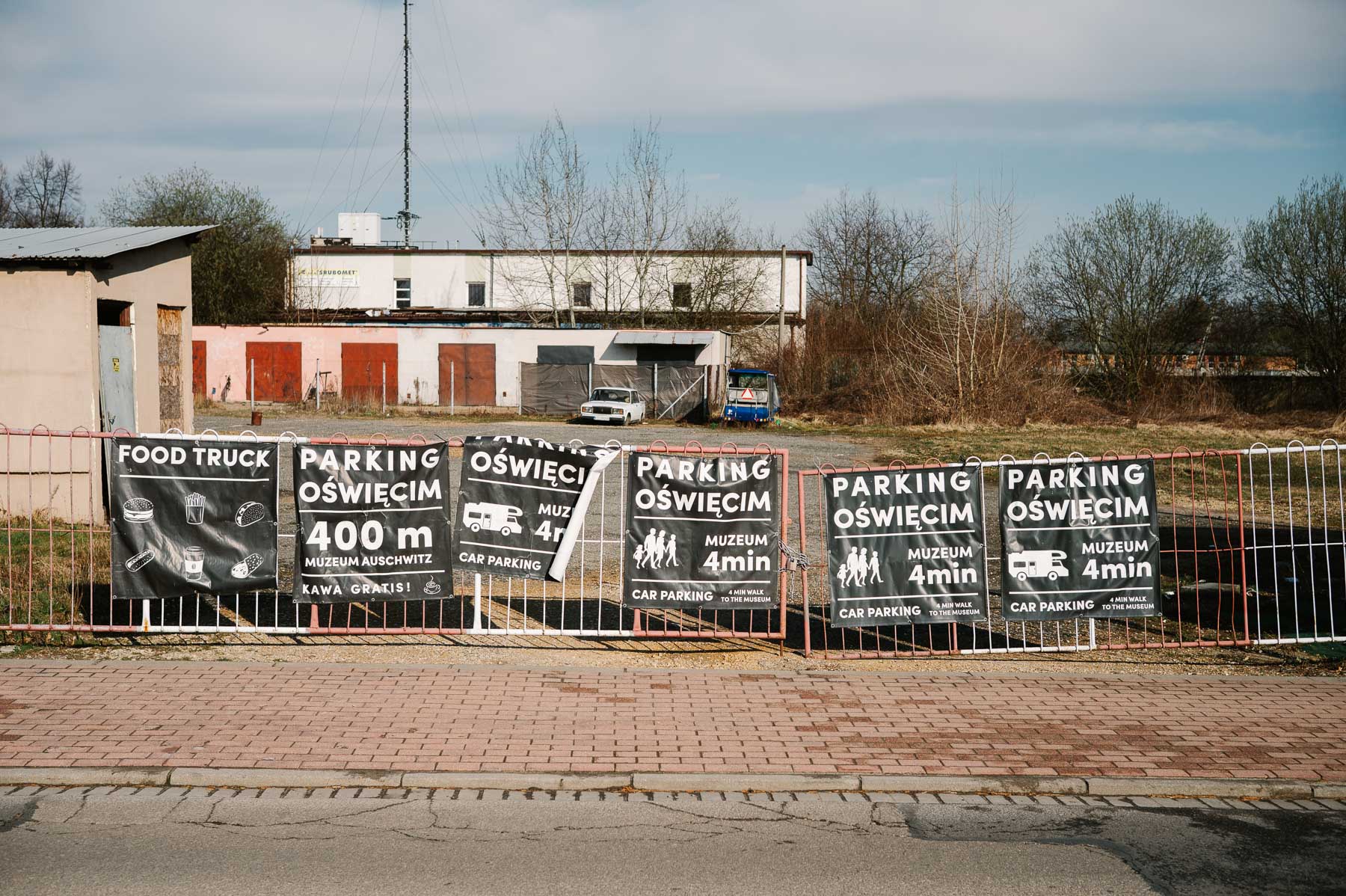
And yet, over the course of the next few hours, I sense how this feeling, which has been with me since yesterday evening, slowly changes into the realization: people live here too and with them this place develops a new (hi)story every day. My host’s anecdote about the building in which he runs his guest house fits in with this: Before the war it was a Jewish school, during the war it was occupied by the SS, some time after the war his parents bought the house. Today, he gives the place a new meaning.
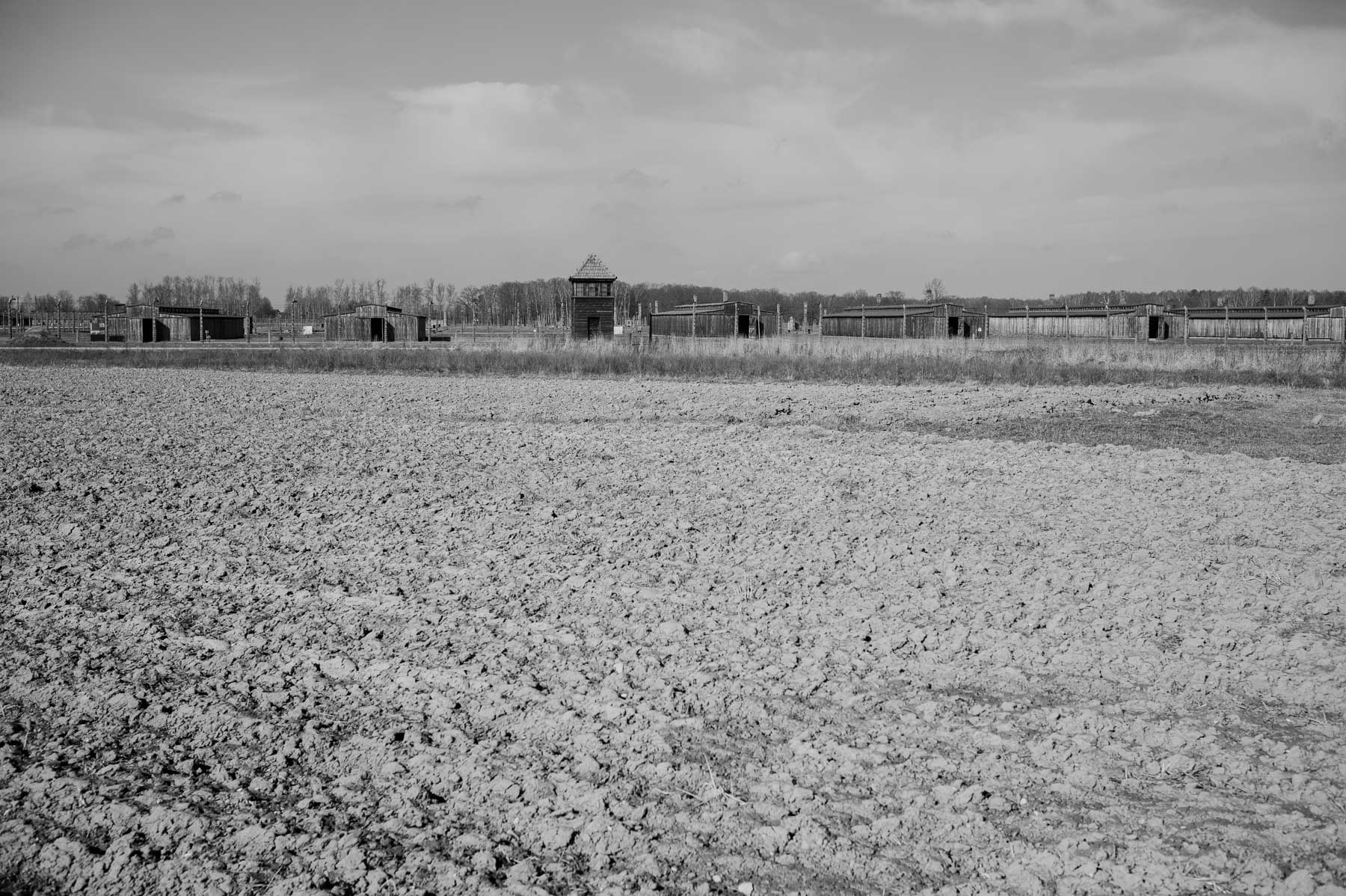
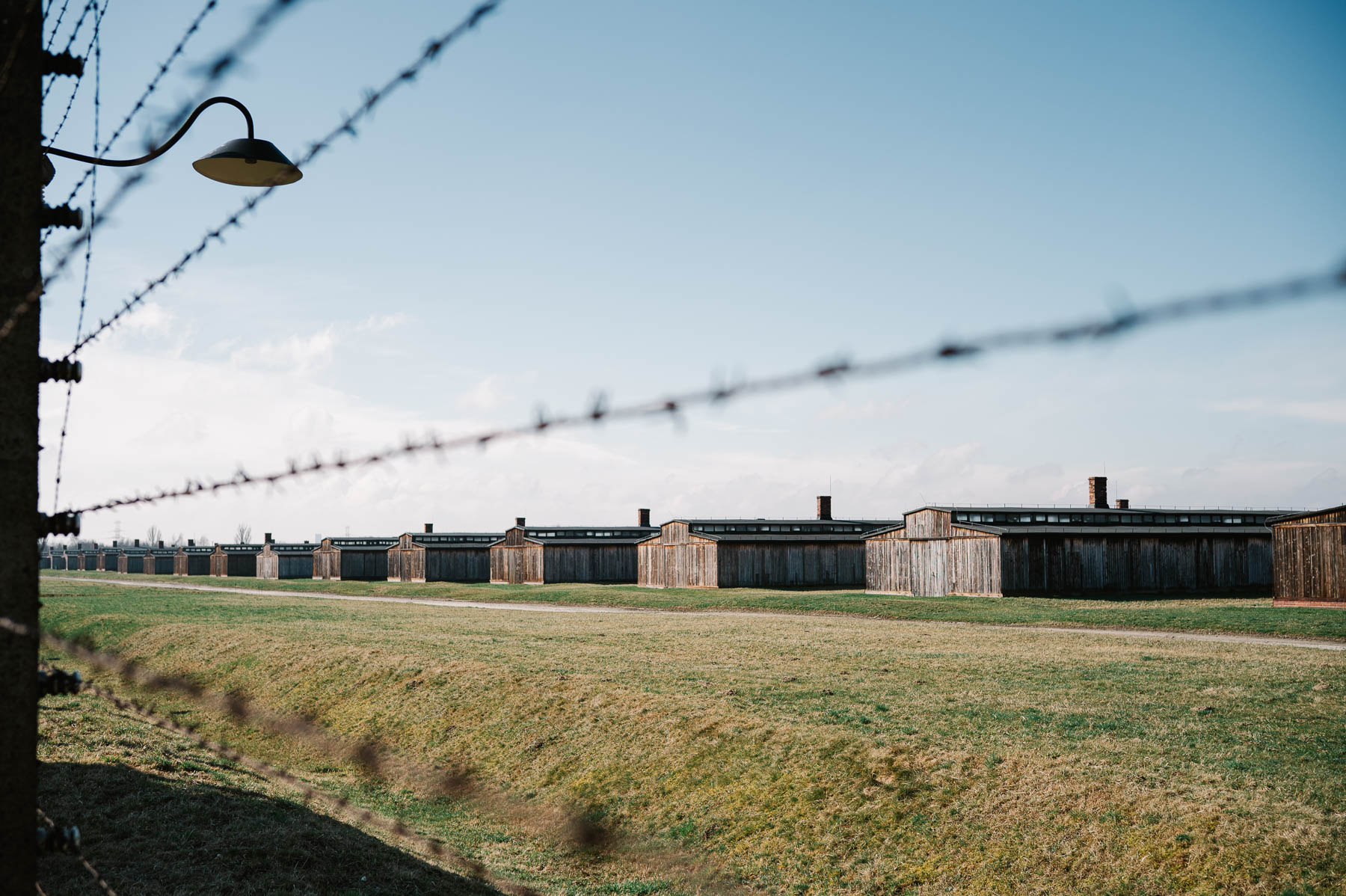
Then I cross the bridge over the large station grounds to Birkenau (Brzezinka). I know what I’m about to see and yet I can’t imagine it. In the small community, I see two women in their garden and ask if I can park just outside their driveway. No problem. I walk a few minutes west through the friendly-looking neighborhood until the site of horror appears behind a field. I go slowly along the fences with the old lanterns, see isolated groups of visitors walking through the camp, stand next to the railroad tracks, stare at them, stare through the gatehouse, walk on, pause.
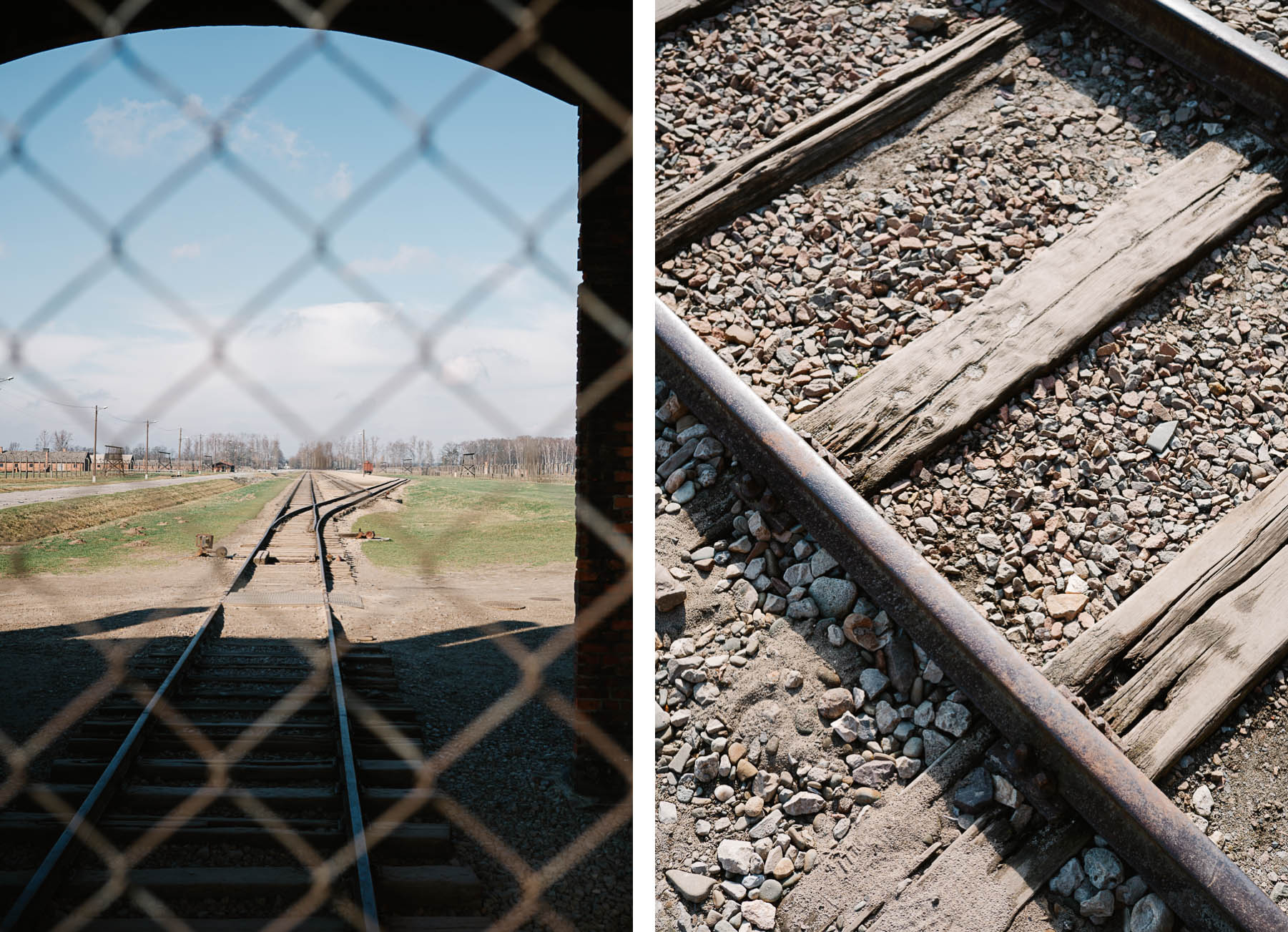
I then follow the course of the railroad tracks. After a few meters, they disappear into gardens in the village. Shortly afterwards, I stand at the goods station and see a wagon: the memorial for the Alte Judenrampe. The selections were carried out here from 1942 to May 1944, after which they took place inside the Auschwitz-Birkenau concentration camp.
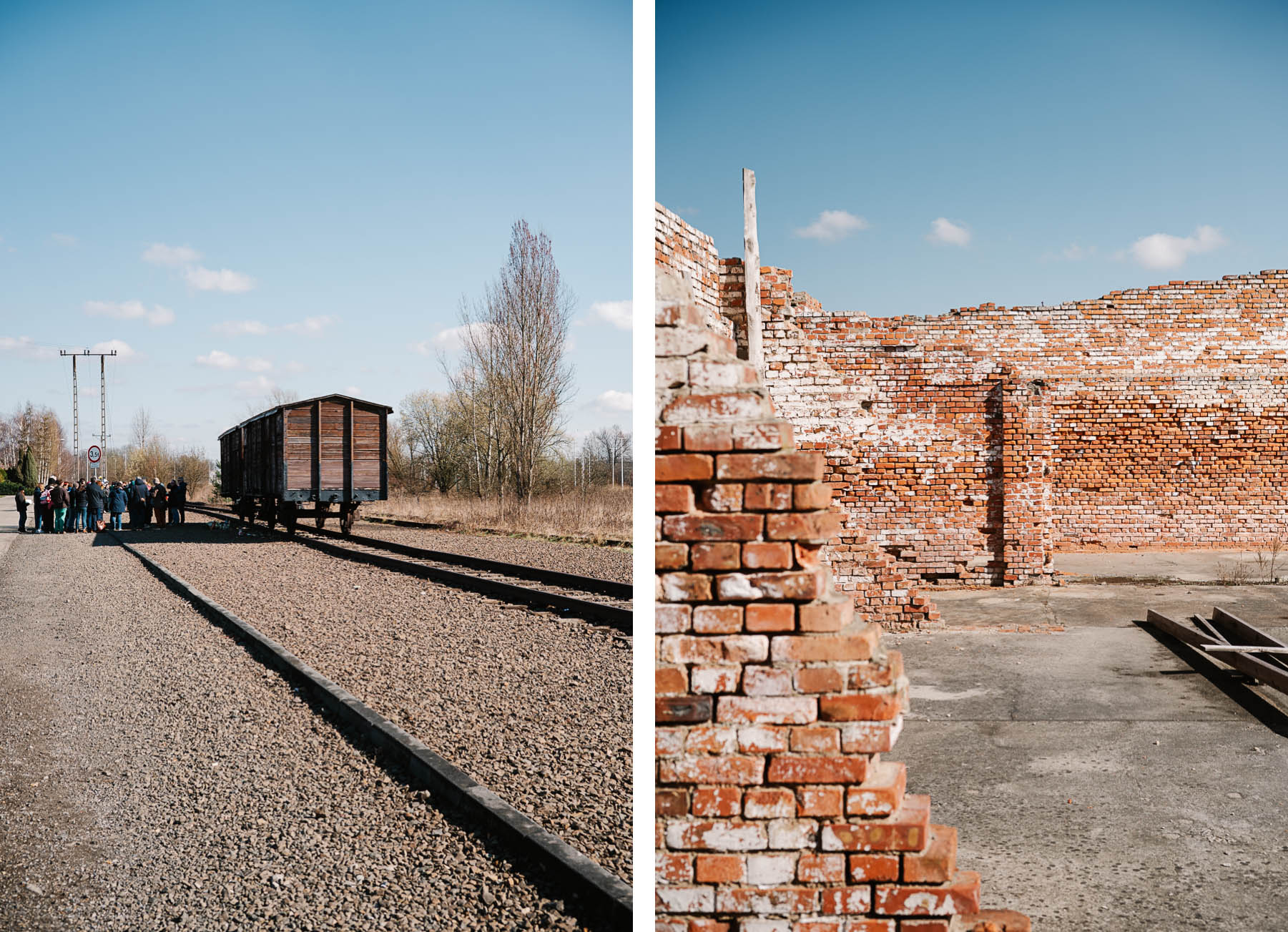
Back on the other side of the train station in Oświęcim, I visit a museum dedicated to the history and memories of the inhabitants – a recommendation from my host Przemek. An impressive multimedia presentation and many memorabilia explain what life was like here before and during the Nazi occupation. It tells of the gradual expulsion of the Polish population from the approximately 40 square kilometer “Zone of Interest” (German: “Interessengebiet”), how people were arrested as collaborators and sent to camps. But it also speaks of individuals who helped at the risk of their lives, such as a girl who regularly slipped food to prisoners or hid it for them in certain places. It is these kinds of stories of humanity that give me hope after these hours.
To the south
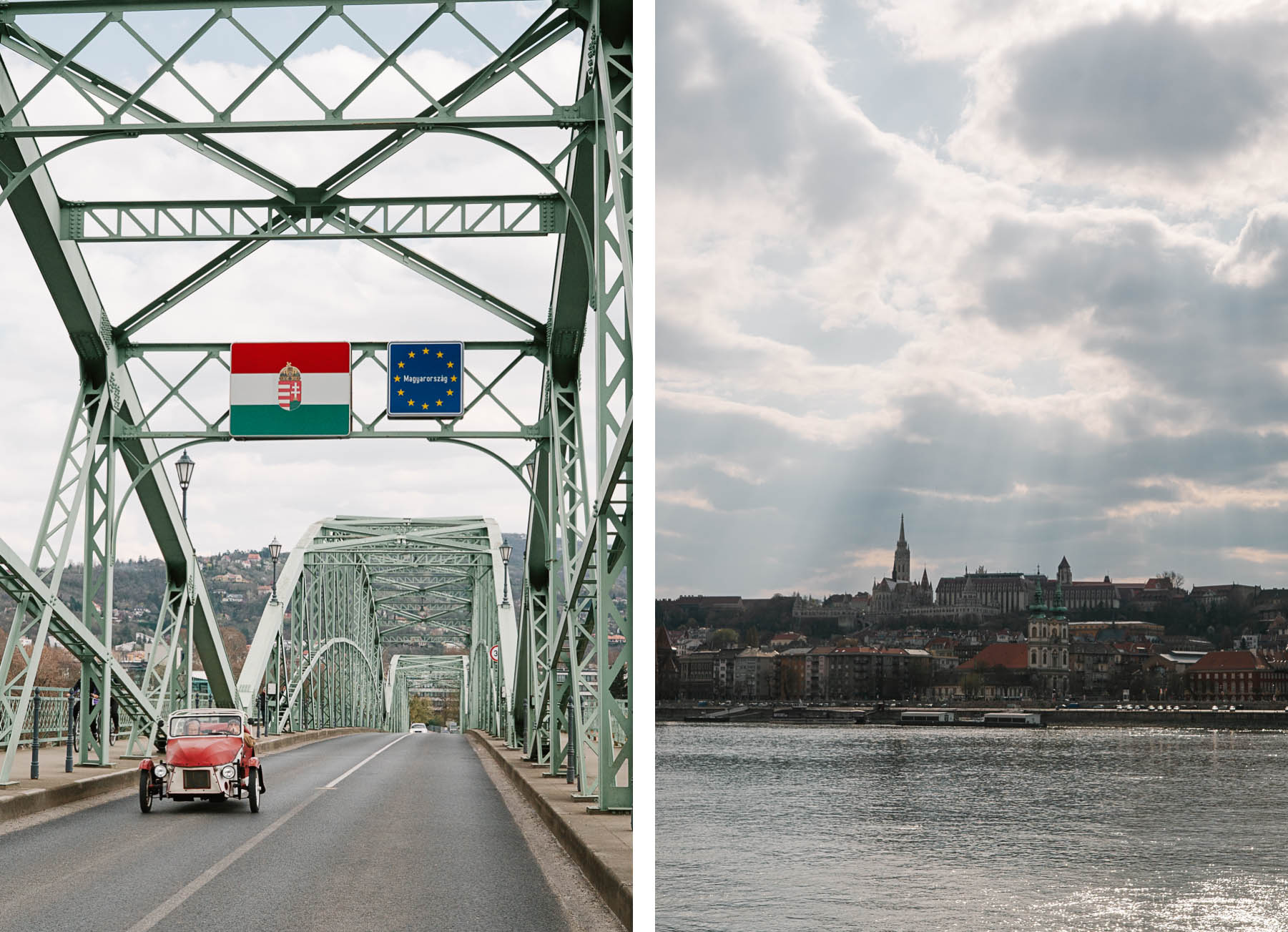
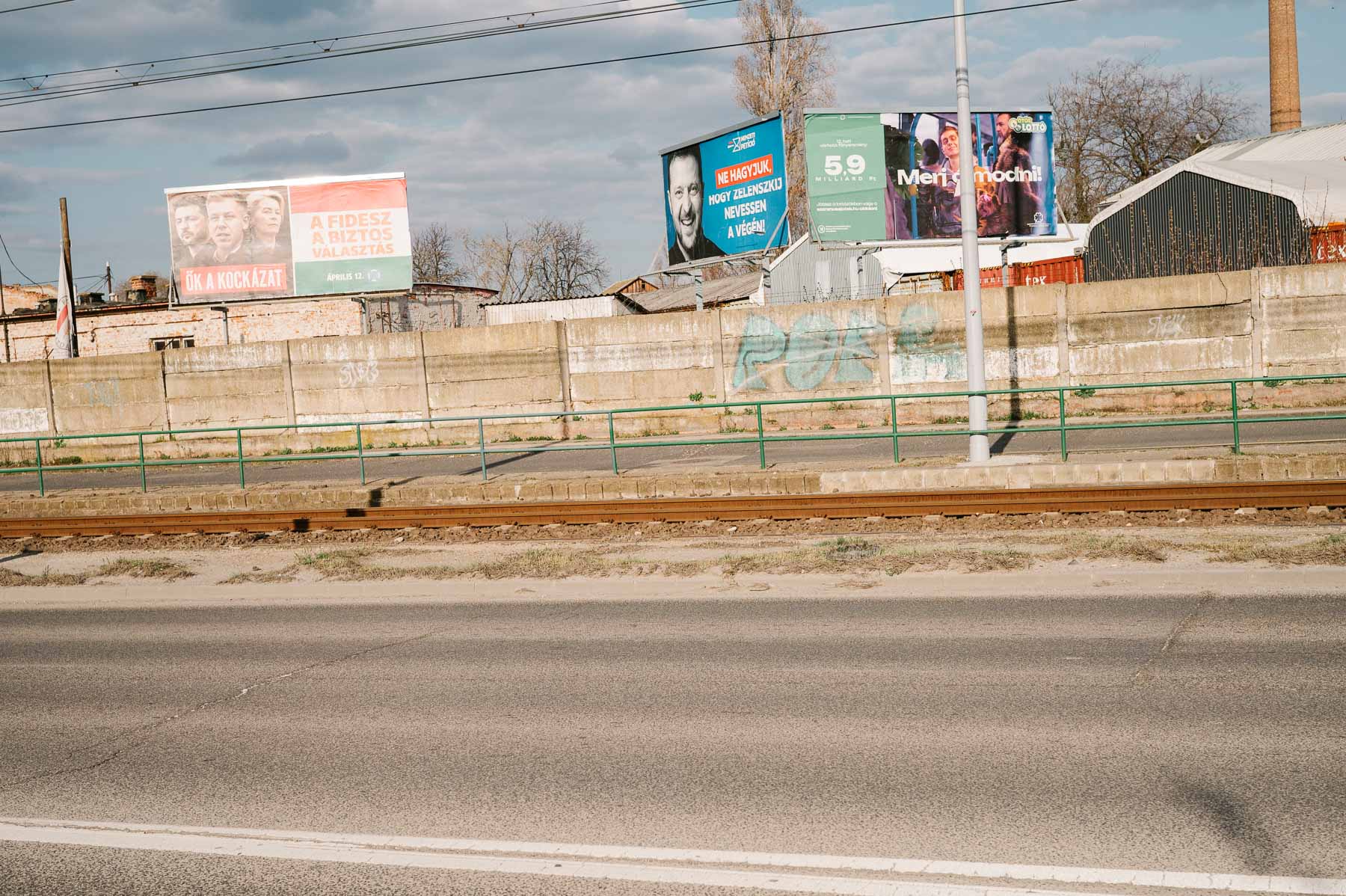
Then I continue my journey south, drive through the Carpathian Mountains and spend a night in a small village in the middle of nowhere in Slovakia. The next day I cross the Danube between Štúrovo and Gran and thus the border to Hungary. The landscape is now quite flat and there is a lot of traffic. In both countries, I notice the many large billboards on the roadside. In Hungary, however, it is not the commercial but the election advertising that catches my eye. I will leave the translation of the (still) ruling party’s repulsive slogans at this point. I notice the dilapidated state of many of the roads and wonder where all the EU billions have gone. I let my thoughts drift away. After a coffee in Budapest and an overnight stay in the countryside, I cross the next border and arrive in Serbia: A country between East and West with a long and complicated history.
Travel and humility
Seriously – who doesn’t sometimes feel a little more noble than others, a little better, smarter, more advanced in their own personal or social circumstances? And then (hopefully) realizes that this can only rarely be true. For me, traveling is a wonderful remedy against this kind of sinking into my own bubble of perception. When I live in an unfamiliar place for several weeks, as I do now, it brings me down. While I go about my own routines and work from afar, I am surrounded by the foreign, by other living conditions and rhythms.
Landfill
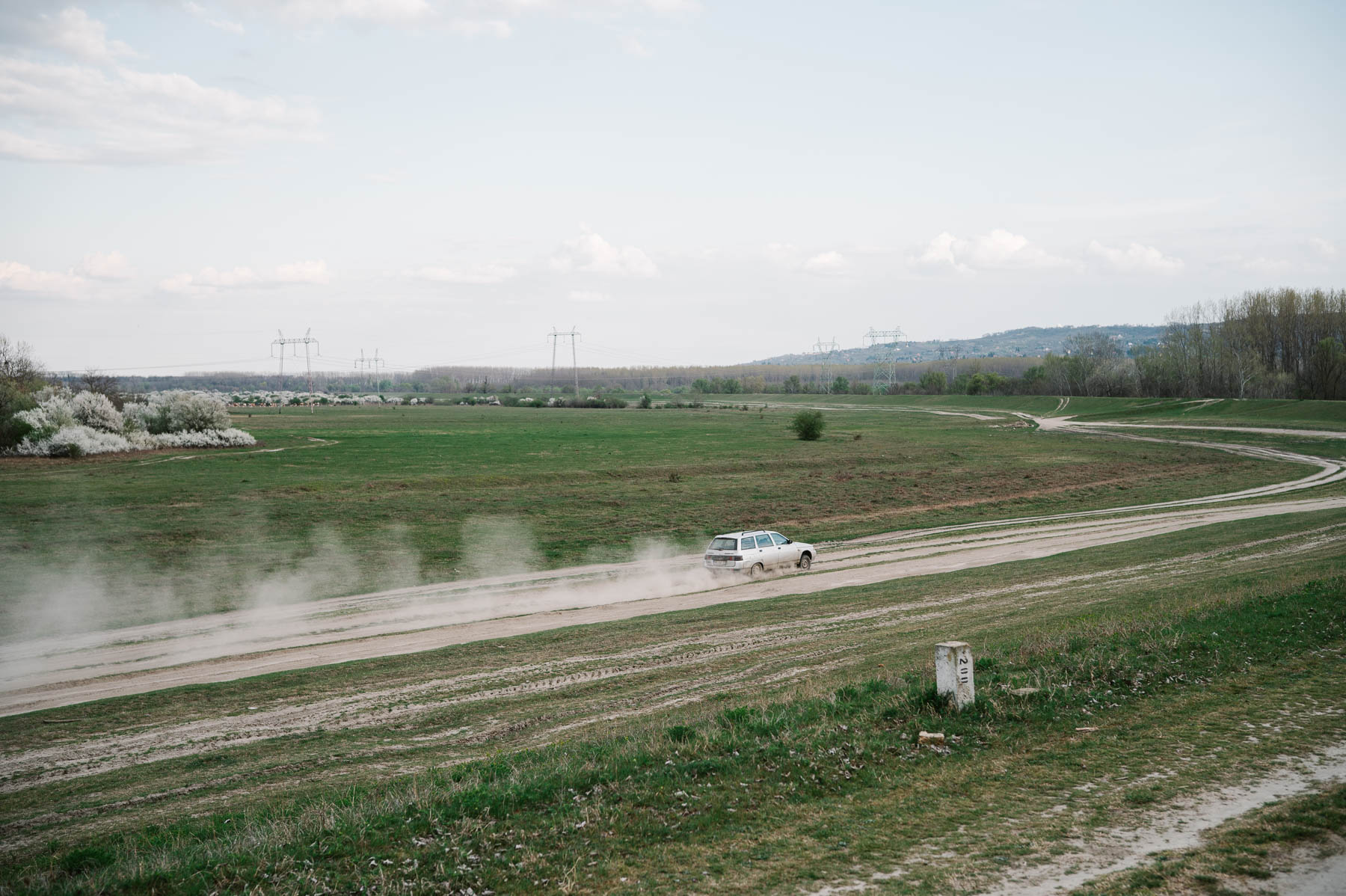
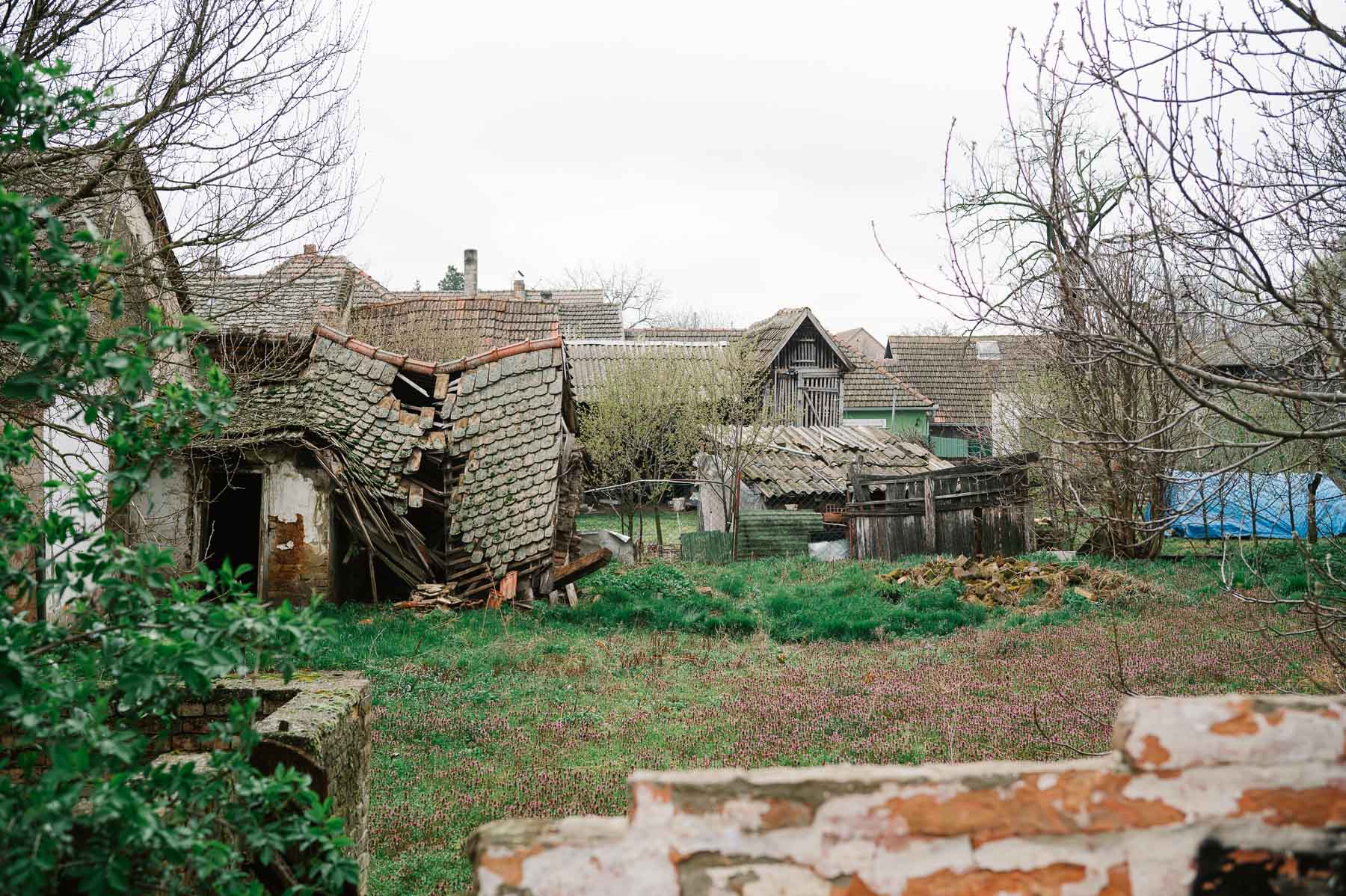
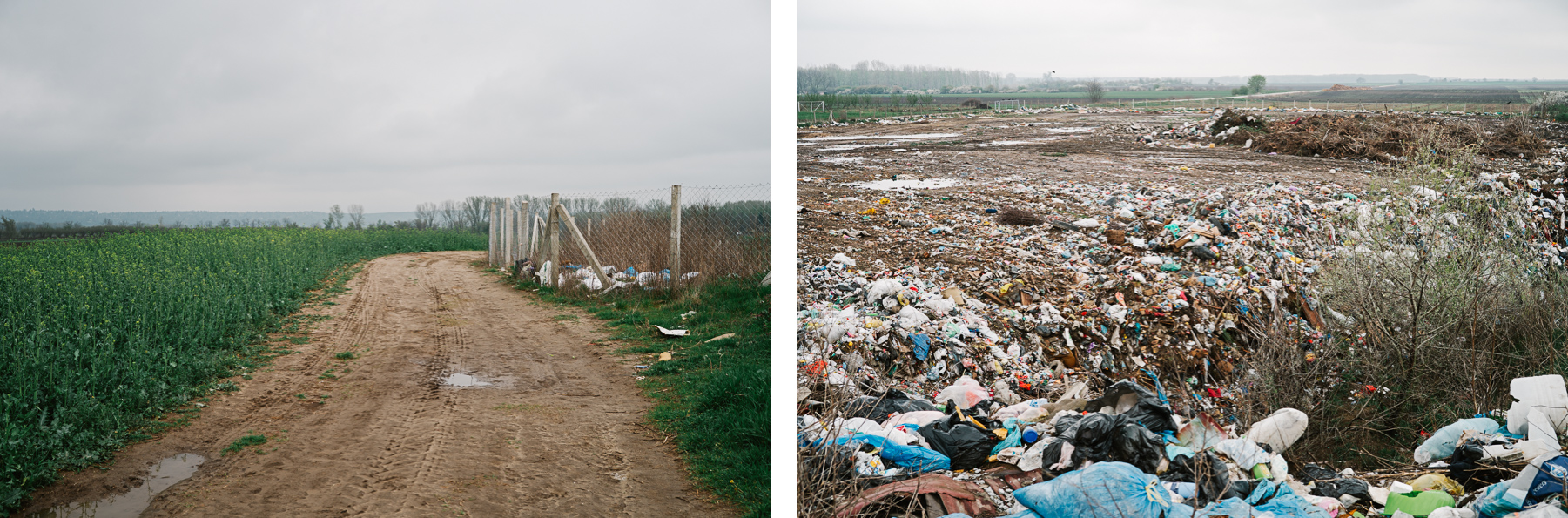
I am in Gardinovci, not far from Novi Sad on the Danube. There is a dumpsite less than a kilometer from the village. Stuff is dumped there, sometimes buried, sometimes it burns, but I am told this is very rare. When I find out about it, my stomach tightens at the thought. When I stand in front of it, it makes me less stunned and more sad. I find it hard to understand why people treat their environment like this, but I have seen it many times around the world, just like the plastic waste on the roadsides. Part of me naturally starts to judge.
But then I quickly realize that talking about people is different from talking about societies. As individuals, we are shaped by what we experience, what is considered normal, what role models do. If I am surrounded by neglectful tendencies in my own neighborhood every day – why should I do it any differently?
Society, in turn, consists of all of us, but also of conventions, rules and institutions. Politics. And if, for example, there is little money, if people in positions of political influence set their priorities differently, or if corruption eats away at entire systems, then that is damn sad.
Apart from that it is true that in Germany we separate waste diligently, have highly efficient waste incineration plants and nowadays we recycle a lot and efficiently. But how much waste do we actually produce and where has our waste ended up for decades? When you start to look behind the facade or the stories we tell ourselves (as individuals or as societies), doubts quickly arise and things become complex. It’s not that this should stop us from moral claims or criticism nor that I want to justify anything here. But I notice how being in a foreign place makes me pause before I judge, and I often remind myself that I was born in a certain place and time by chance and was shaped by it. Traveling helps me to become aware of this and to occasionally break it.
Spark plug change
A motorbike that is almost thirty years old has its pitfalls and requires regular maintenance and repair work. Sometimes it’s annoying and admittedly I do occasionally try to gloss over the effort by telling myself that it’s an exercise in mindfulness. But the fact is that it also brings me into contact with people. It’s crazy how many (spontaneous) workshop, hardware store or roadside encounters have happened as a result. This time it turns out to be the spark plugs. And if you realize how complex an engine is designed and how hidden important parts are, you can imagine that this requires one or two special tools – or improvisation. This was also the case for me.
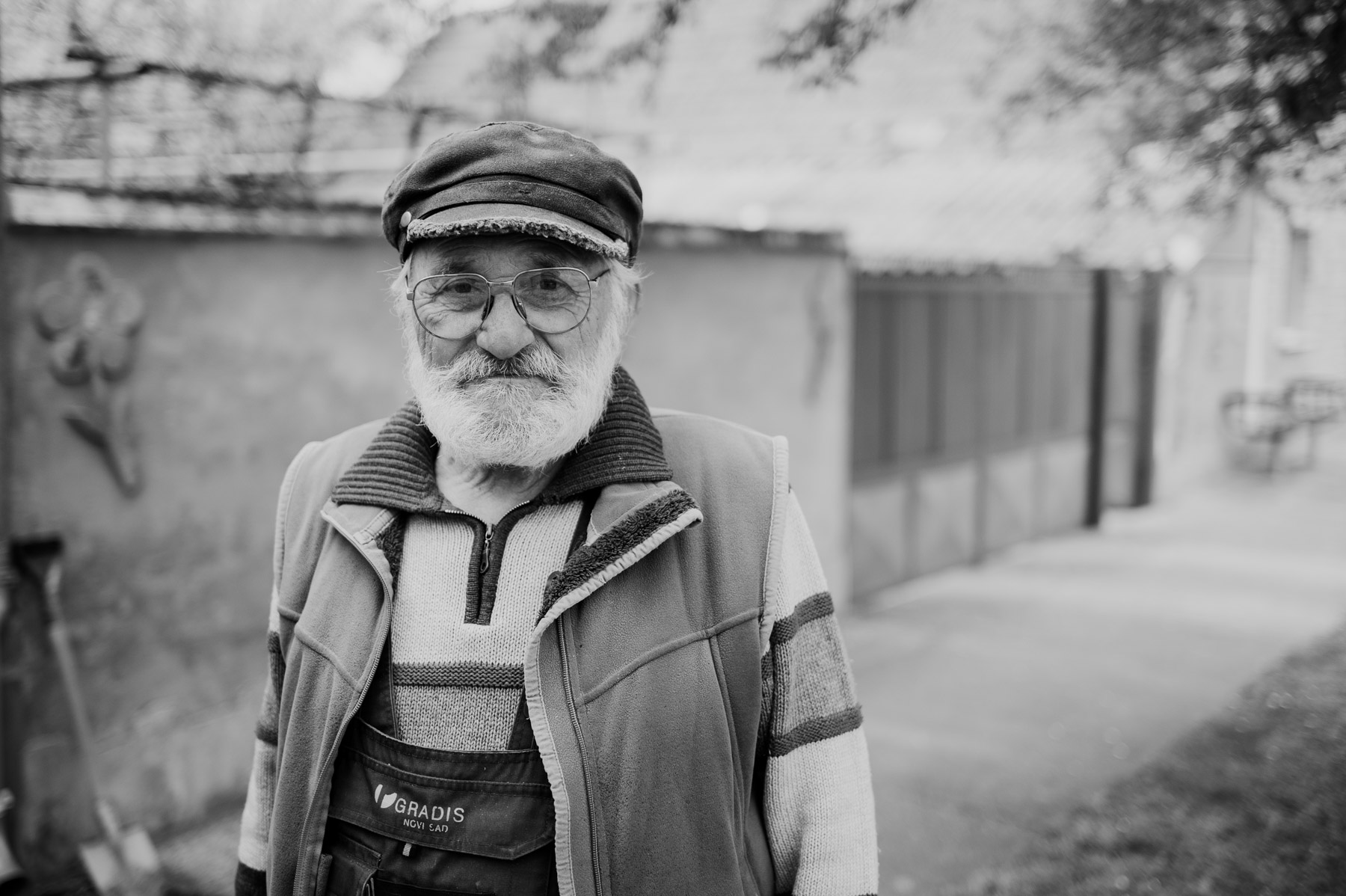
This is where our 80-year-old neighbor Mirko comes into play. From what I hear, I would probably rarely agree with him politically. He used to be an officer in the Yugoslav People’s Army and is quite convinced by politicians who tend to belong to the authoritarian spectrum. Mirko lives right next door to my long-time friend Efim, with whom I stay, and comes through the gate at least once a day to say hello, lends us his lawnmower, offers compost for the beds, gives gardening tips or invites us to play chess. And being able to run over to him and rummage around with him in one of his self-built sheds for the right wrench is just the easiest way. At that moment, I don’t really (or: have to not) care about his political views and it’s enough if we communicate with our hands and interpret each other’s tone of voice in our own language.
Village life and politics
Going on a journey always means being on several journeys at the same time. Nooteboom described this as “(…) the two journeys I make, one in my car and one through the past (…)”
I would like to expand this a little: We go through at least one physical and one mental journey. We set off in a certain mood and experience things along the way that in turn move us internally. In addition to historical stories, there is further input from outside (such as news), which also influences our view of the physical. So my journey is also a very thoughtful one.
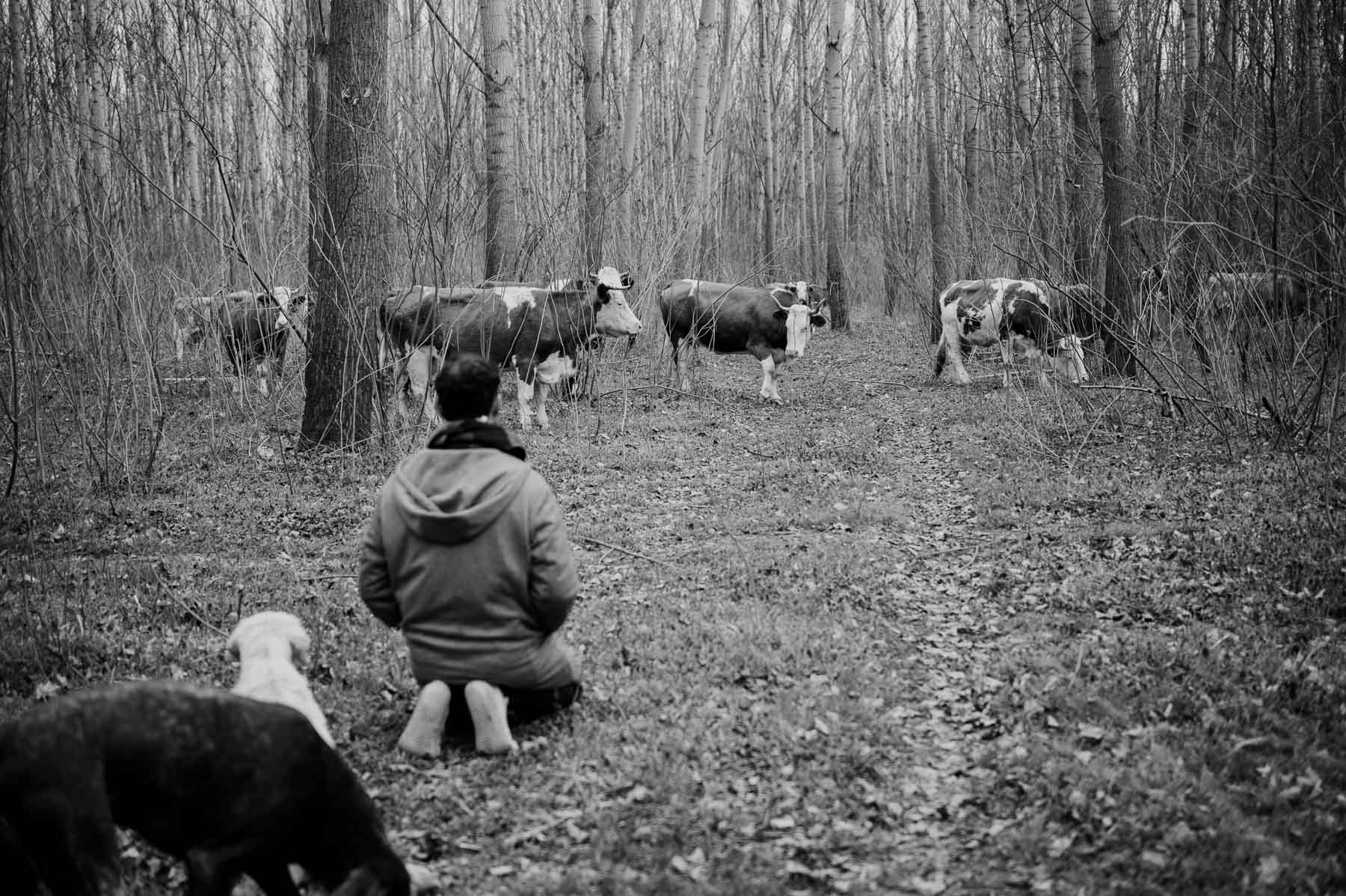
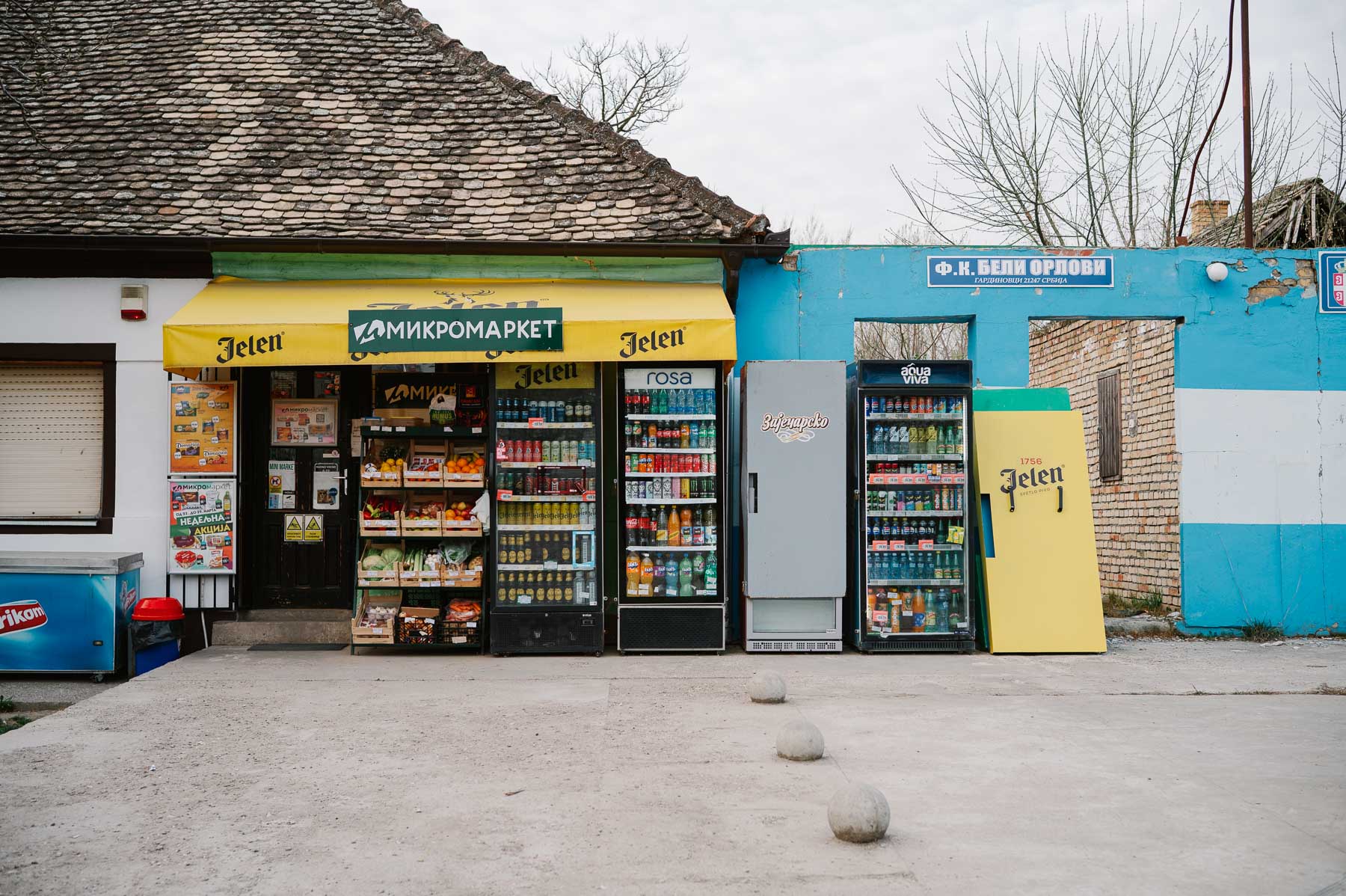
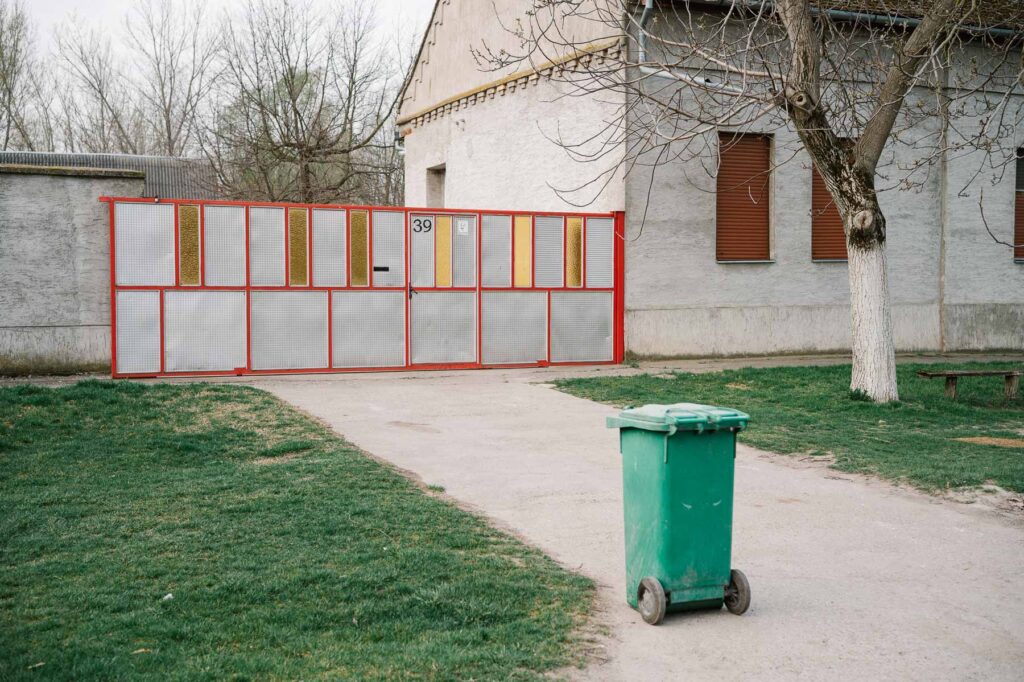
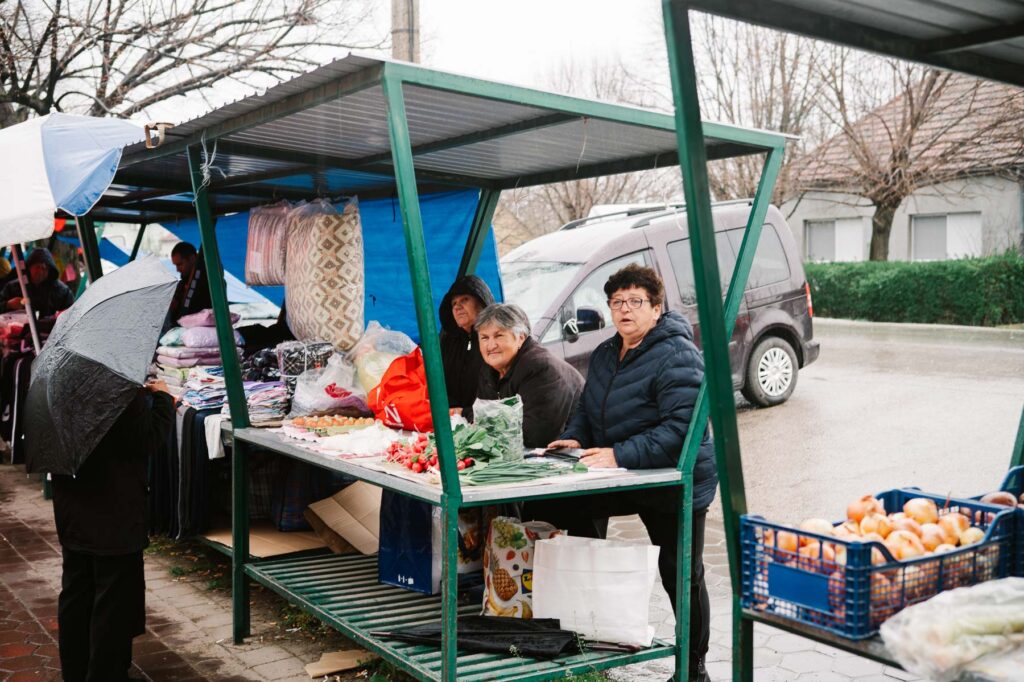
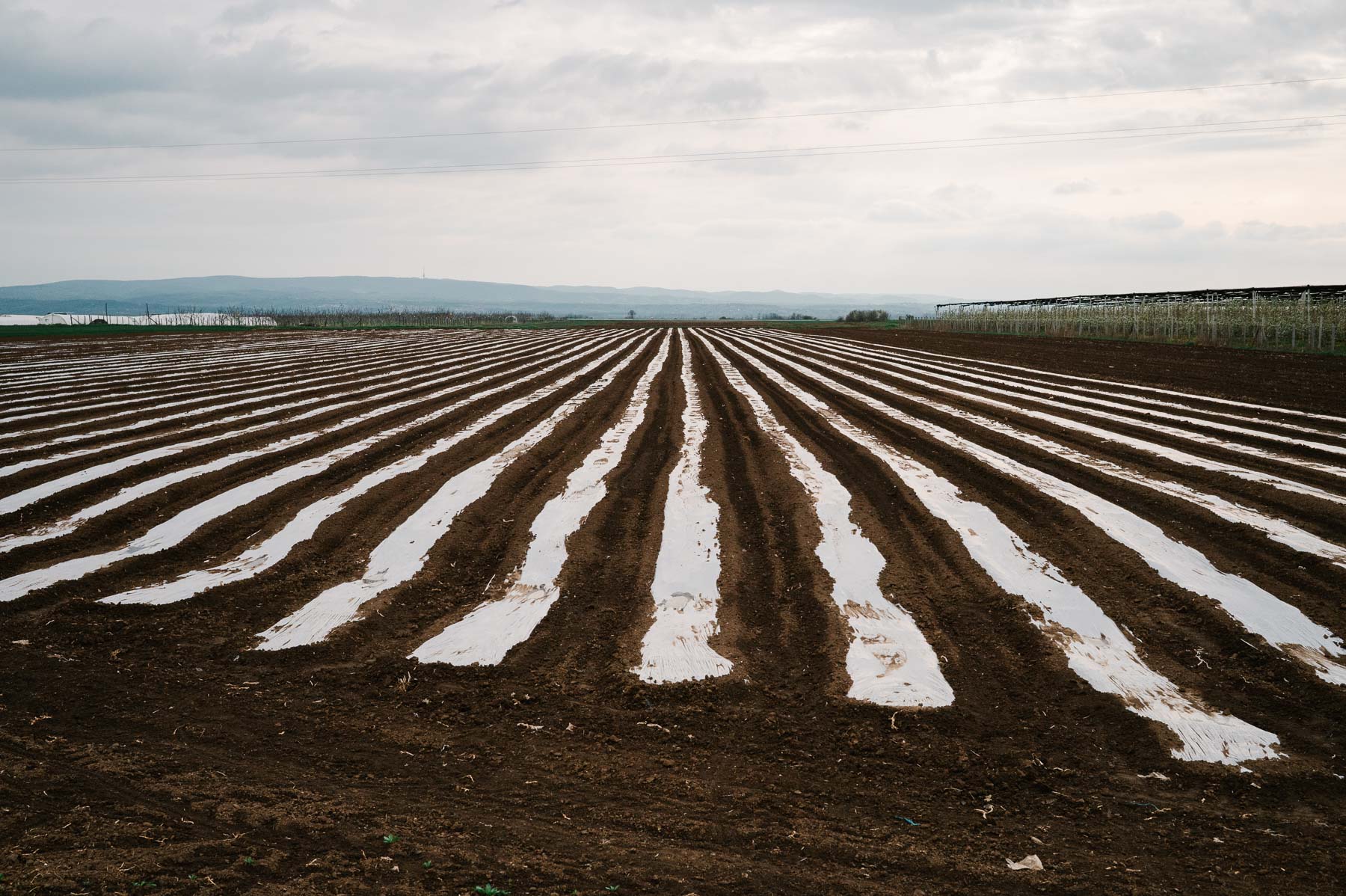
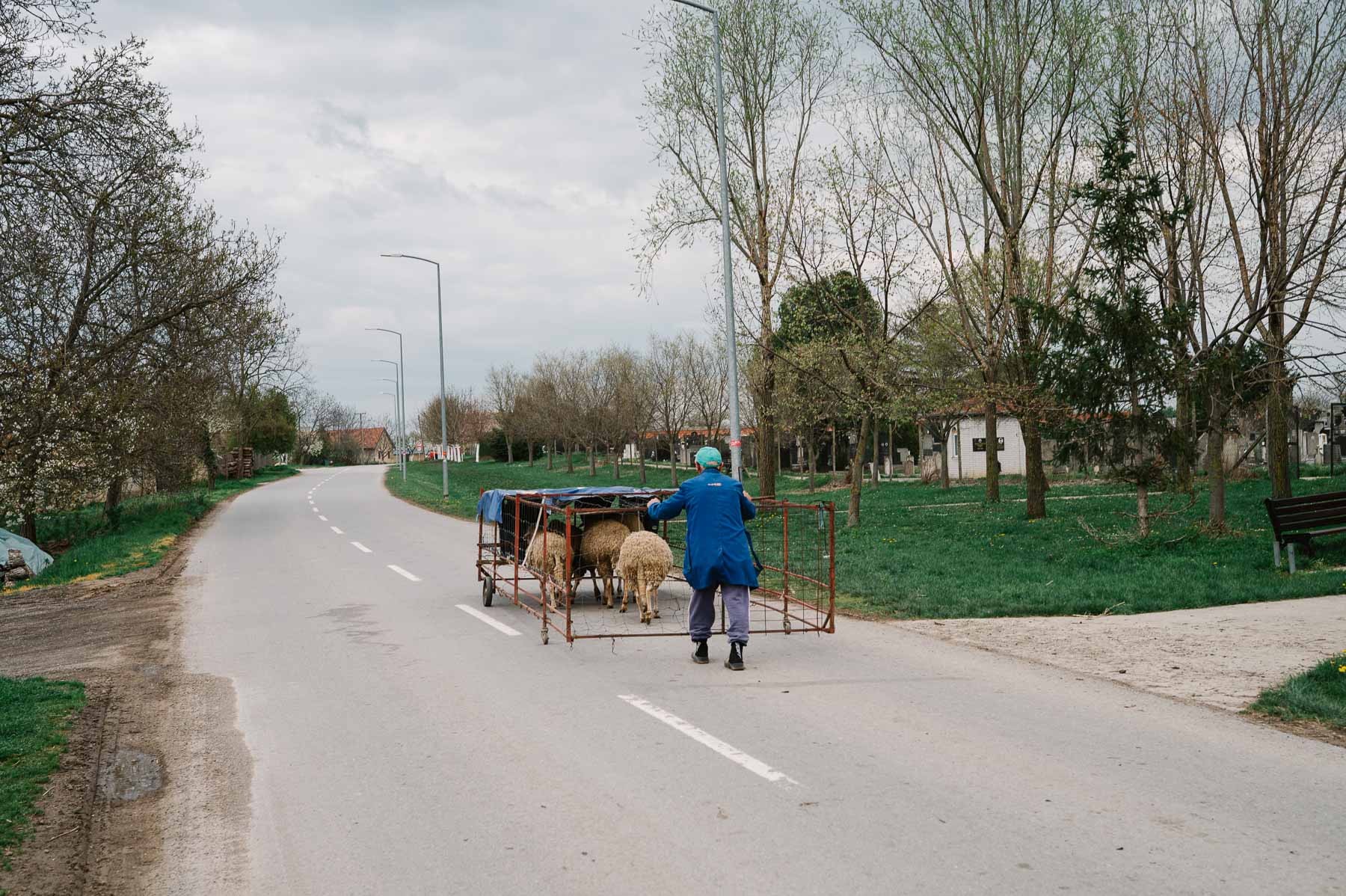
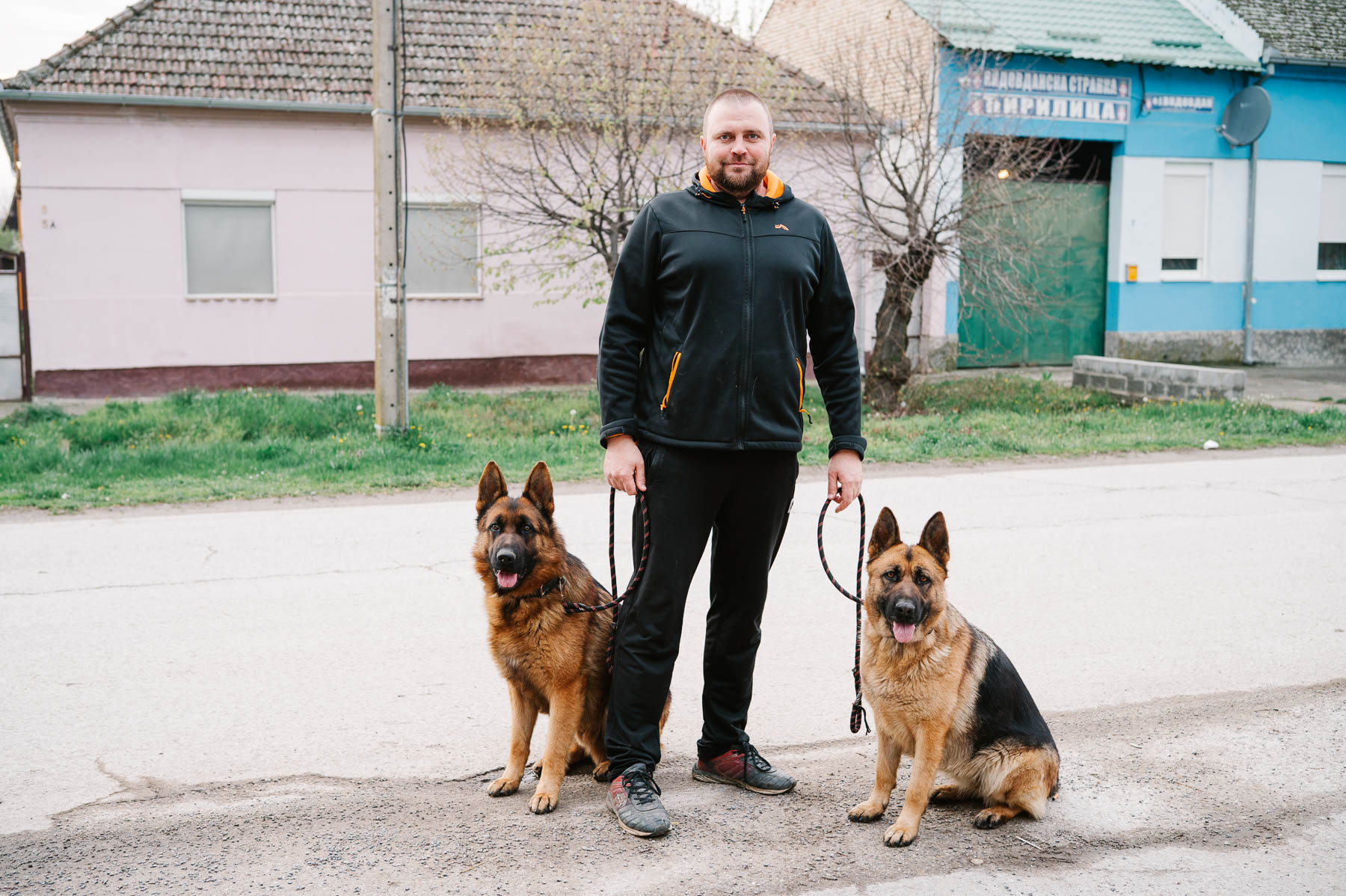
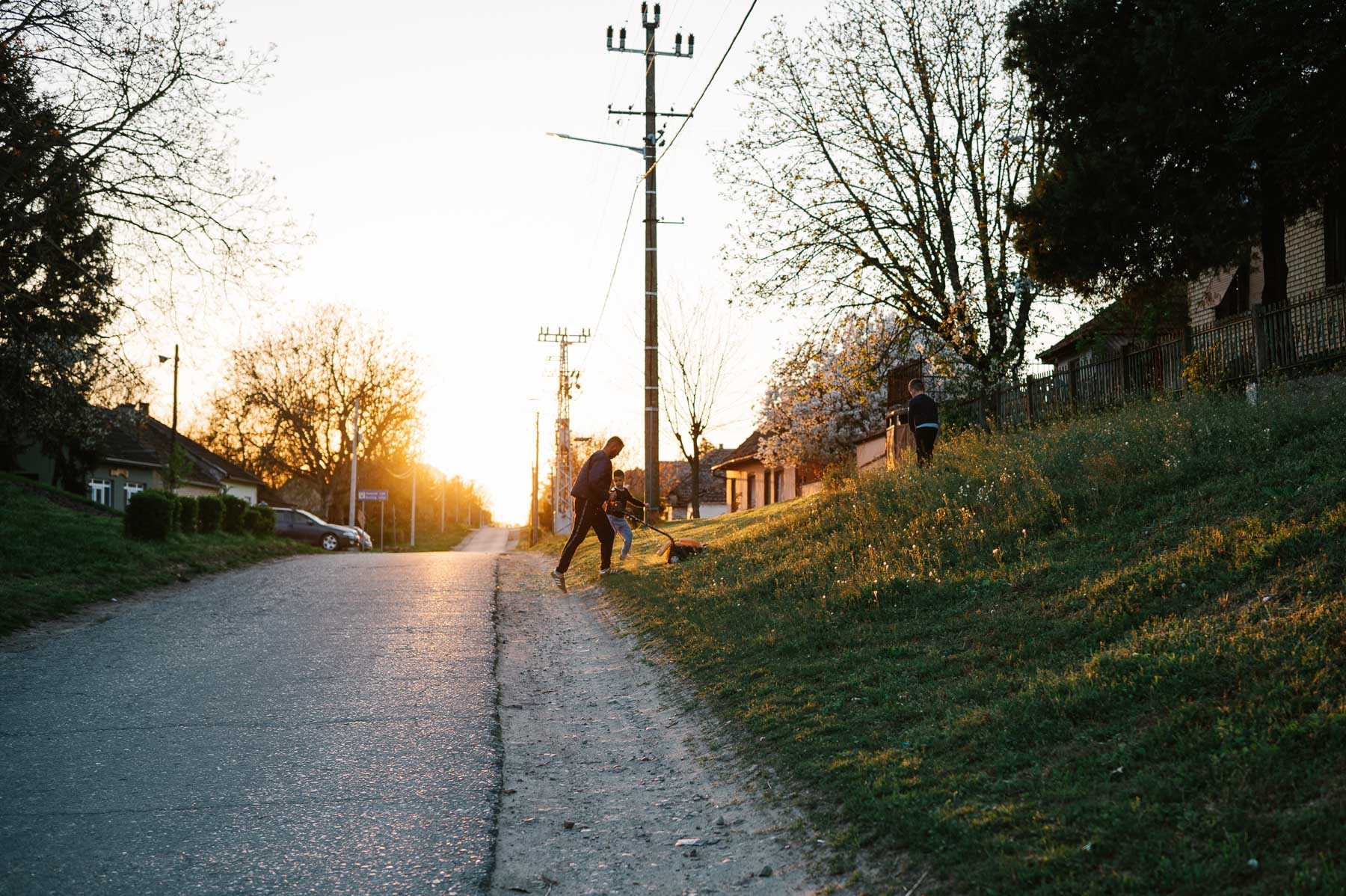
More stories could be written about village life: the friendly people, the small market on Friday mornings, the corner stores, the church, the banks of the Danube, the wide fields and so on. But there are a lot of things on my mind at the moment, and one way or another I quickly end up back in politics.
To name just a few topics:
- Corruption and the protest movement after the collapse of the station roof in Novi Sad in 2024.
- Here in the area, several hectares of a forest bordering a nature reserve are currently being cut down; the wood will be shipped to China, people say.
- Inflation, views on Ukraine and Russia. Many people, especially young people, have fled from Russia to Serbia since 2022.
- History of Serbia: Yugoslavia, war, nationalism.
Much of it offers potential for discussion and polarization. But I’m learning once again how life in the village is characterized by personal relationships and that you often tend to see the similarities and common elements. Alone, you would sometimes be at a loss here. In the city, on the other hand, it seems much easier for me to choose my bubble and I rarely have to deal with strangers.
And somehow, I feel, it is important in these times to do everything one can to reach out to one another. Instead of looking with an alienated gaze at what separates me from others and their views, I ask myself: what can I do to enter into dialog with people? Where do realities of life overlap?
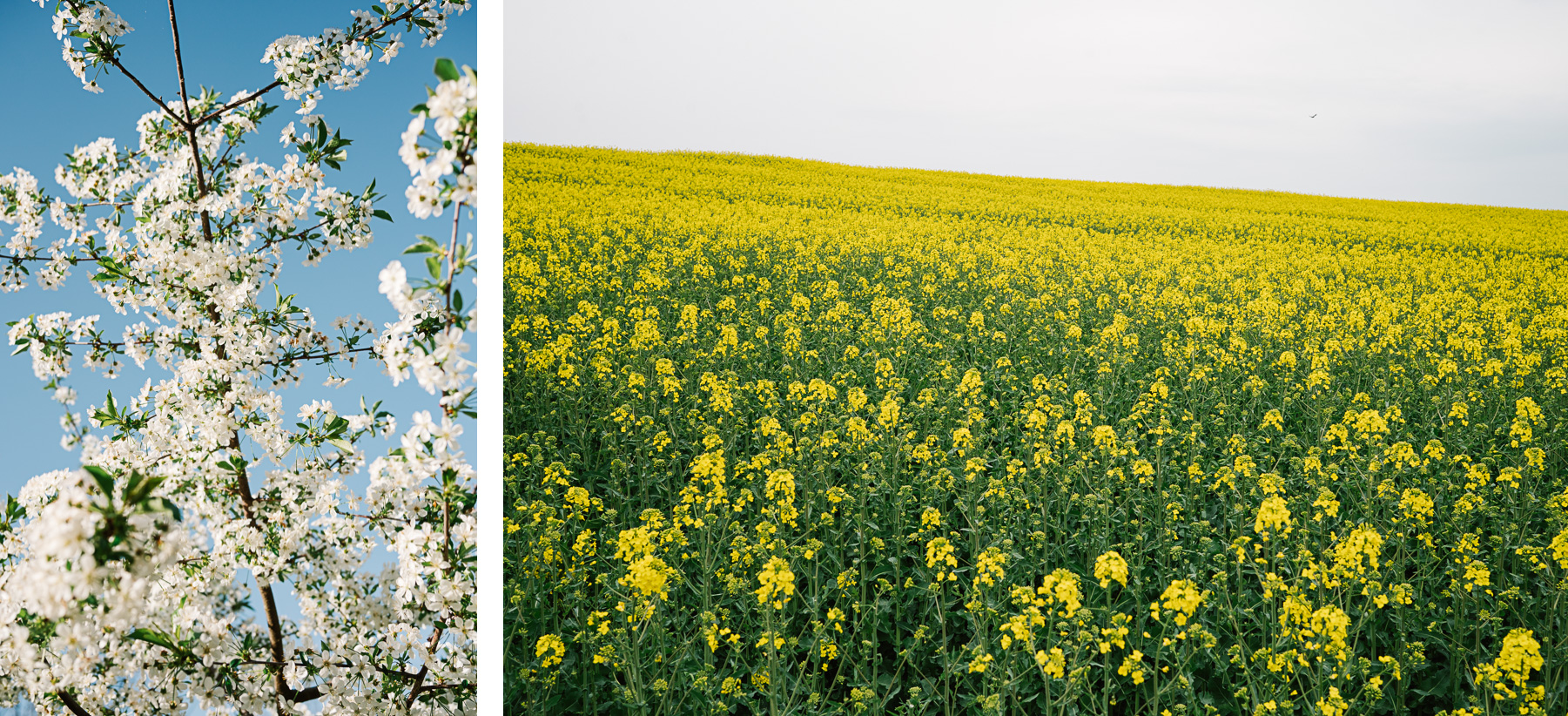
As I – condensing it ornately – listen to the loud buzzing of bees in the cherry blossoms, a rooster crowing, the echo of a barking dog and the calls of playing children echoing through the village, I think of what Jean-Paul Sartre once said: “There may be more beautiful times, but this one is ours.”
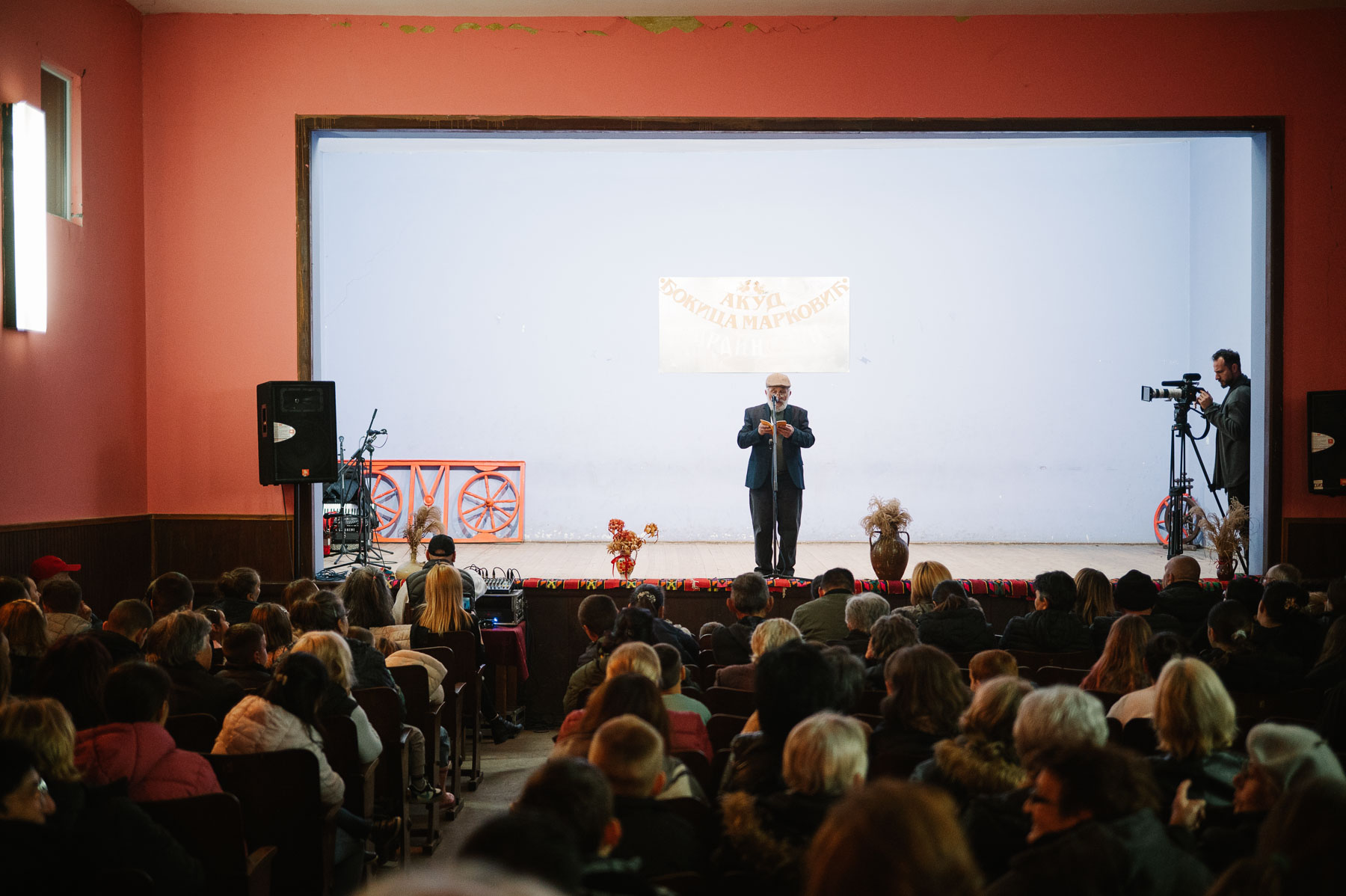
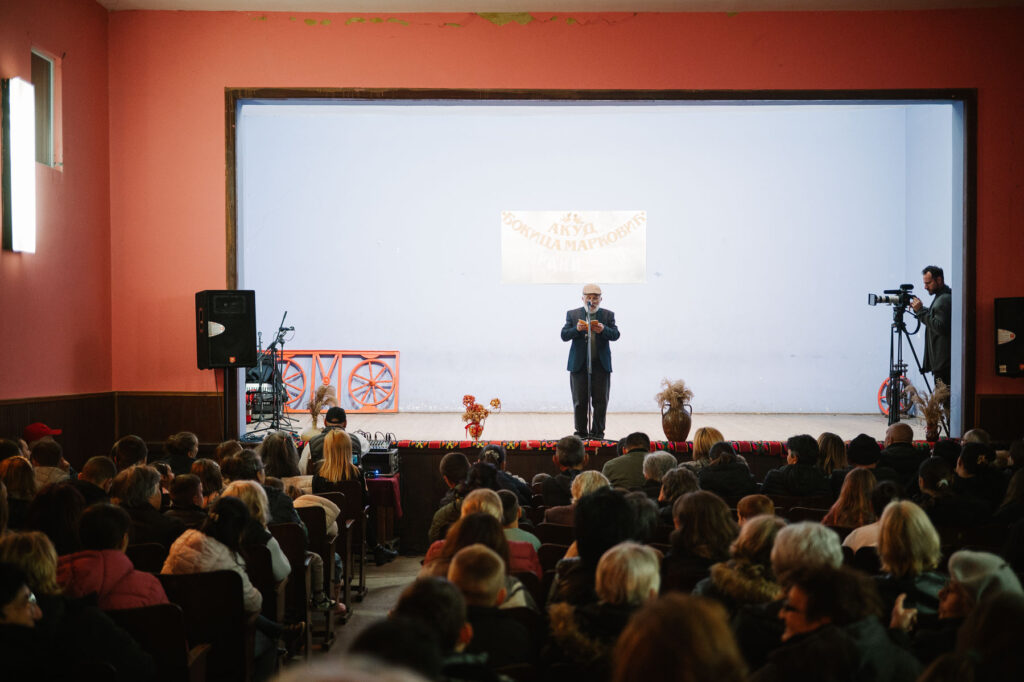
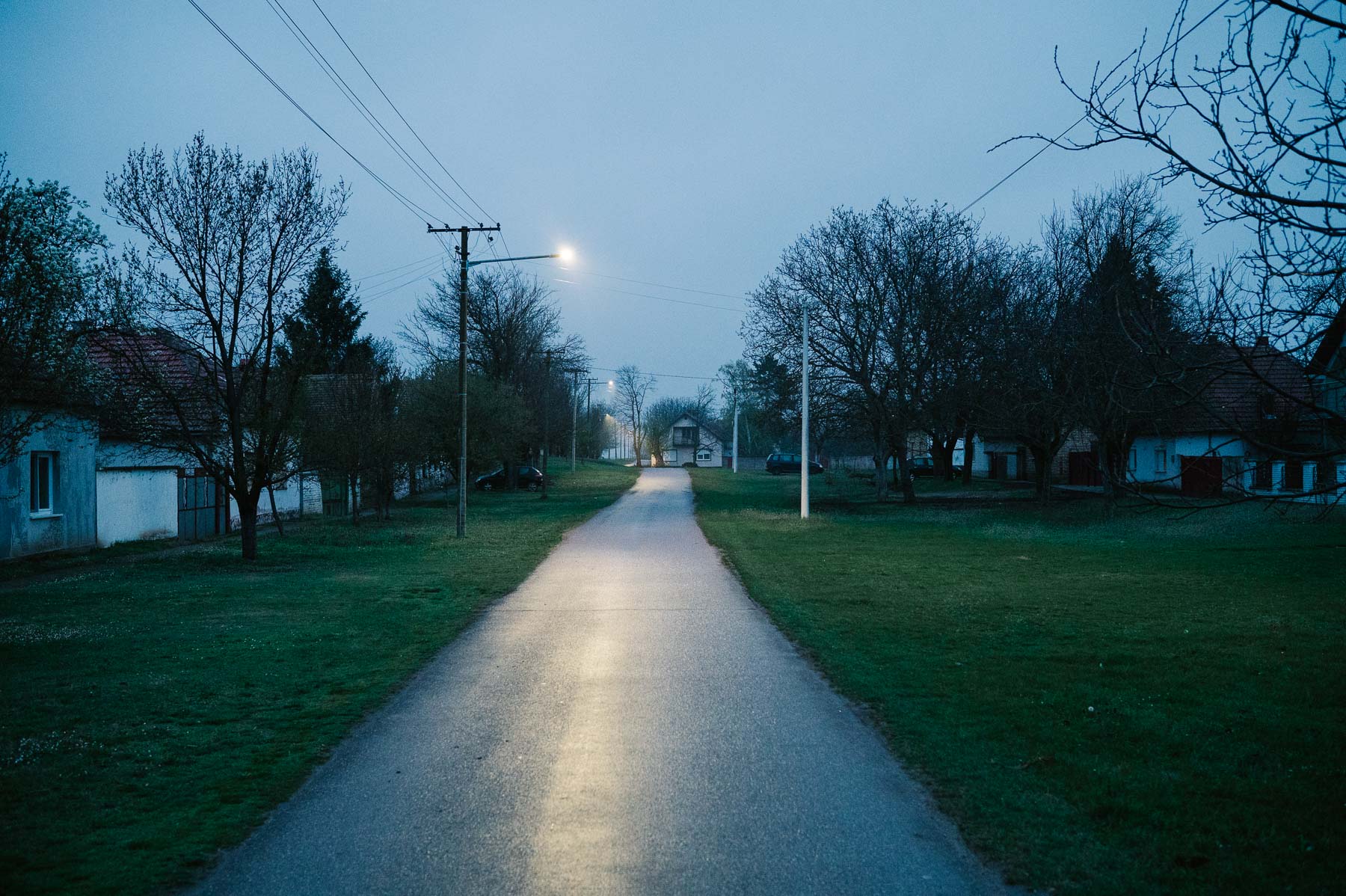
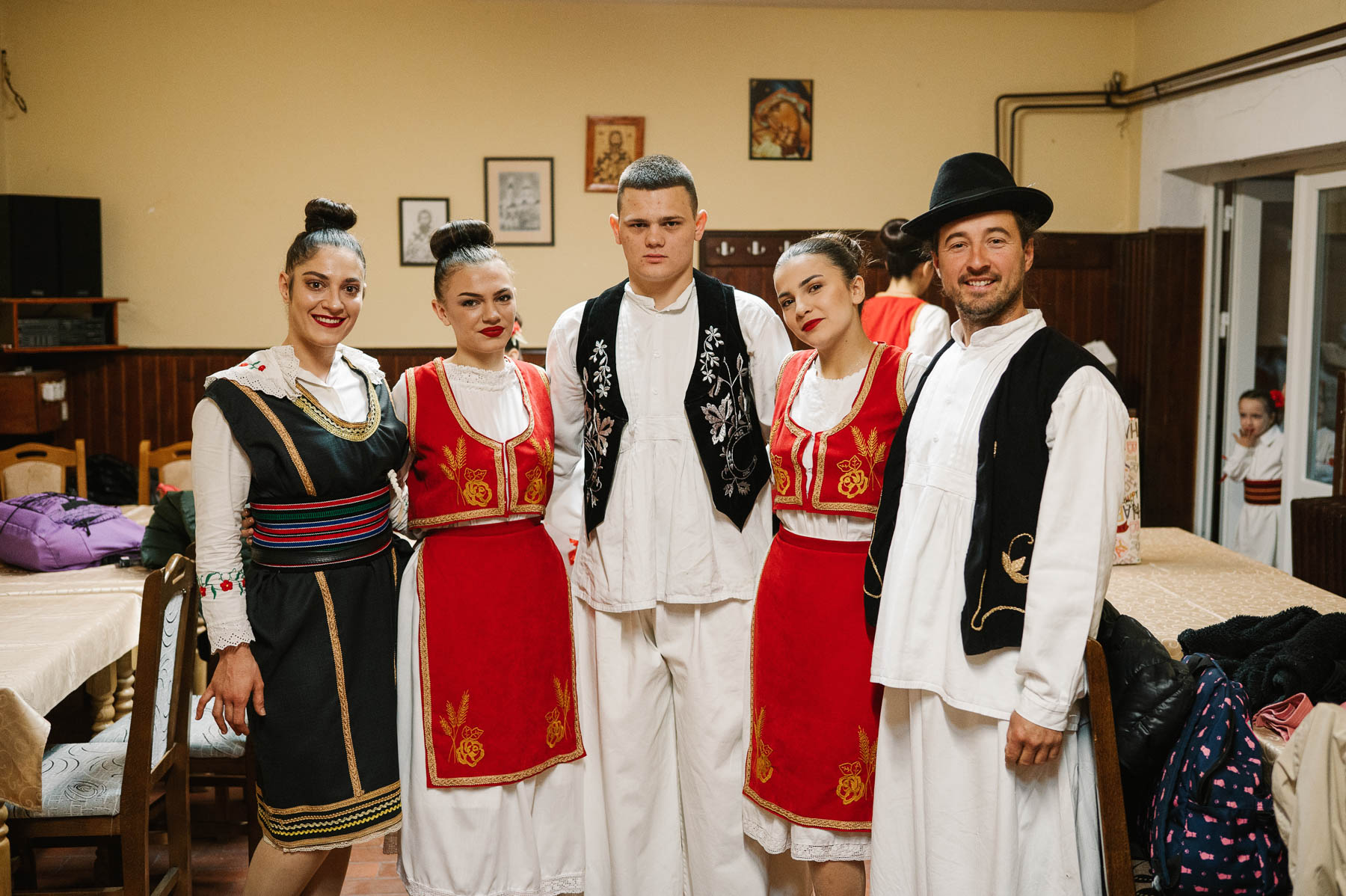
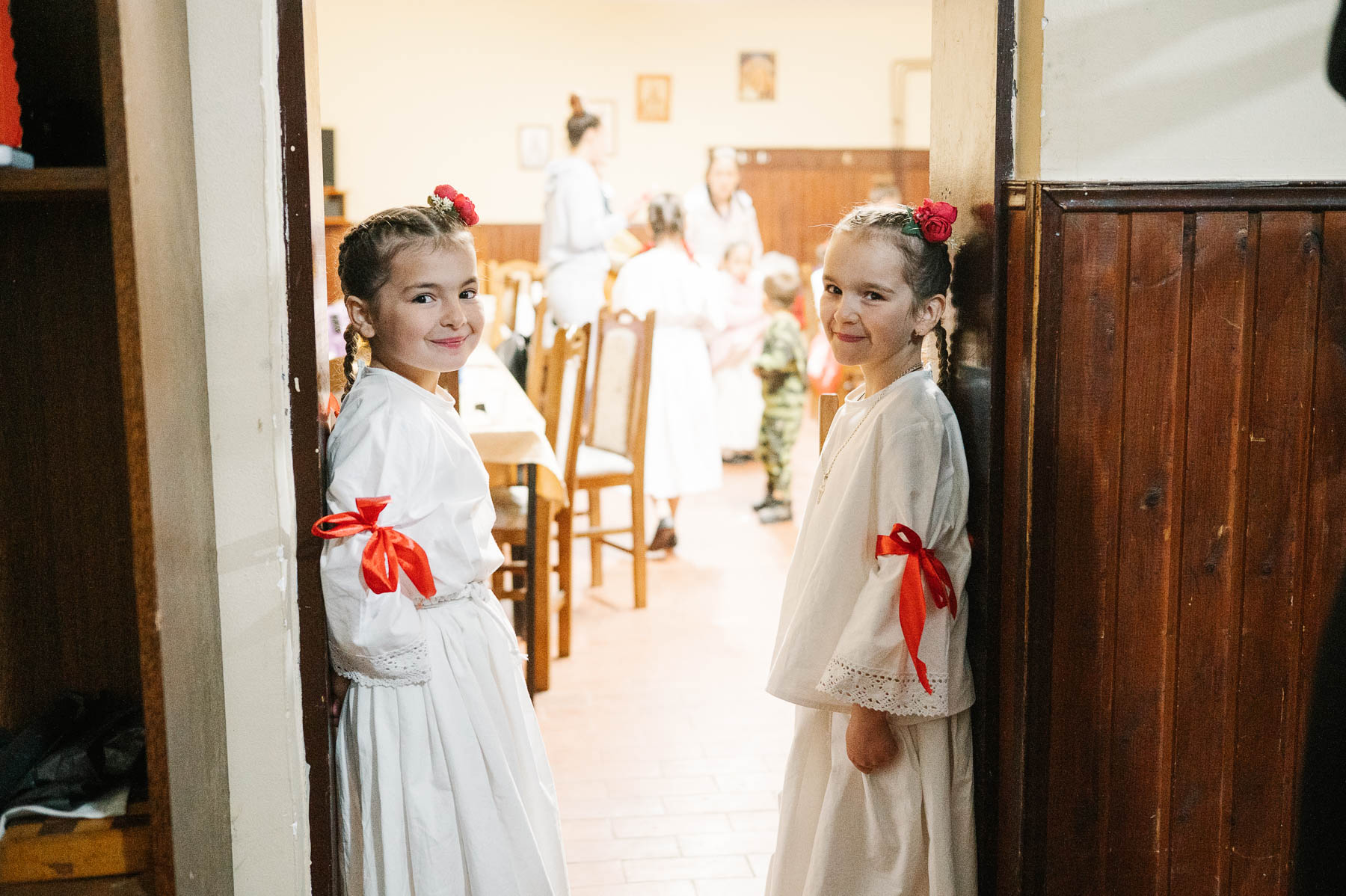
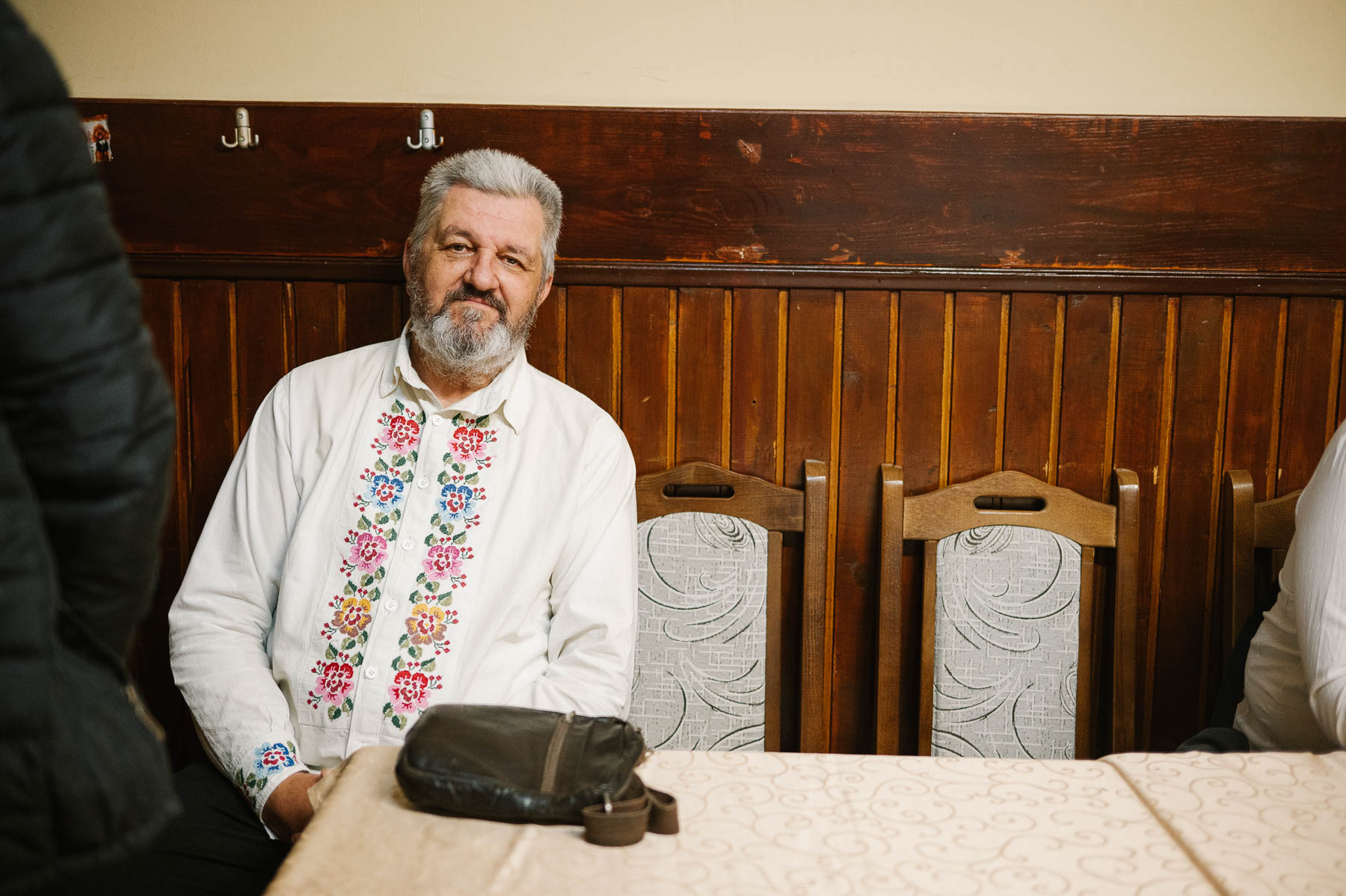
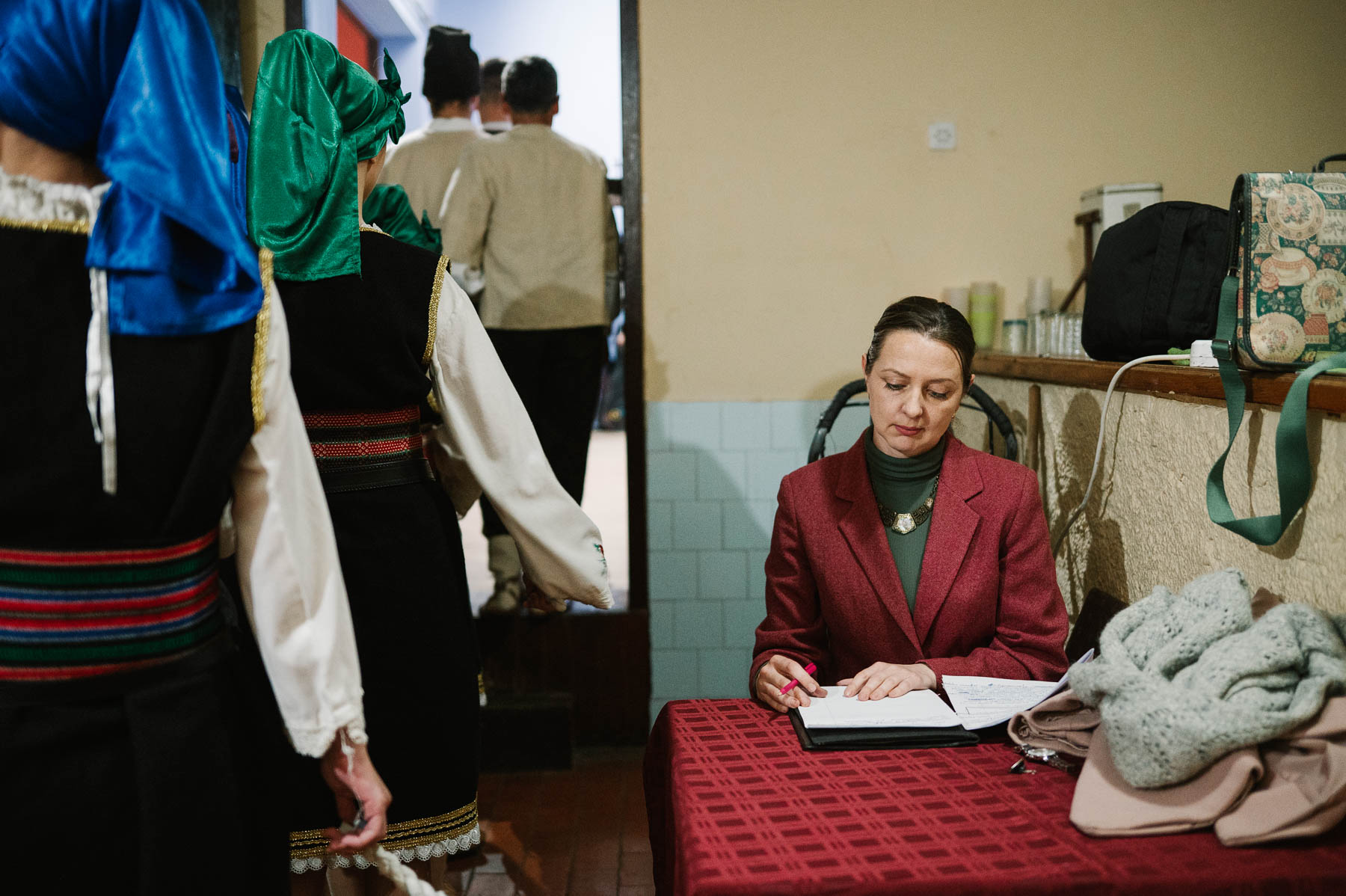
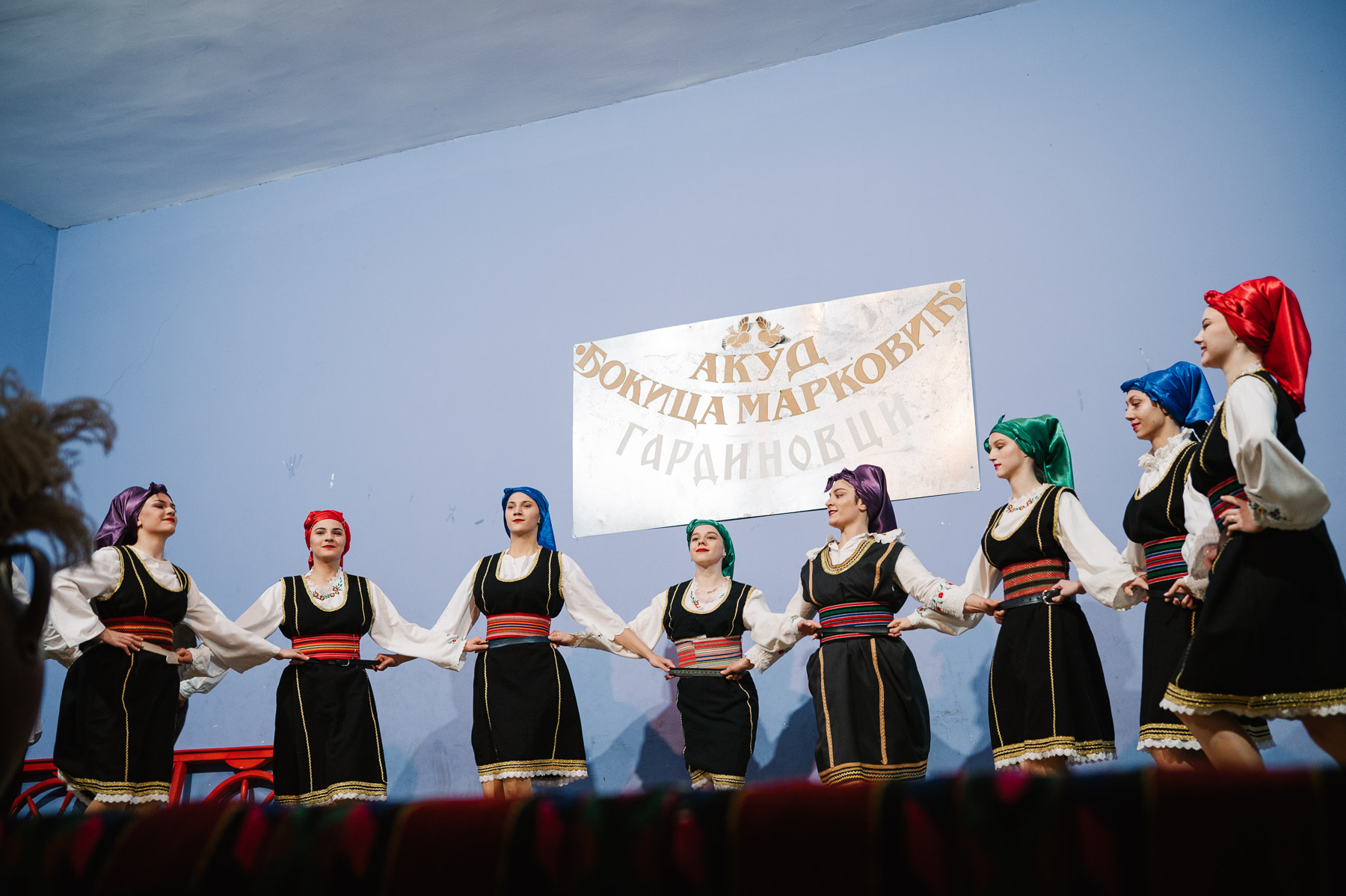
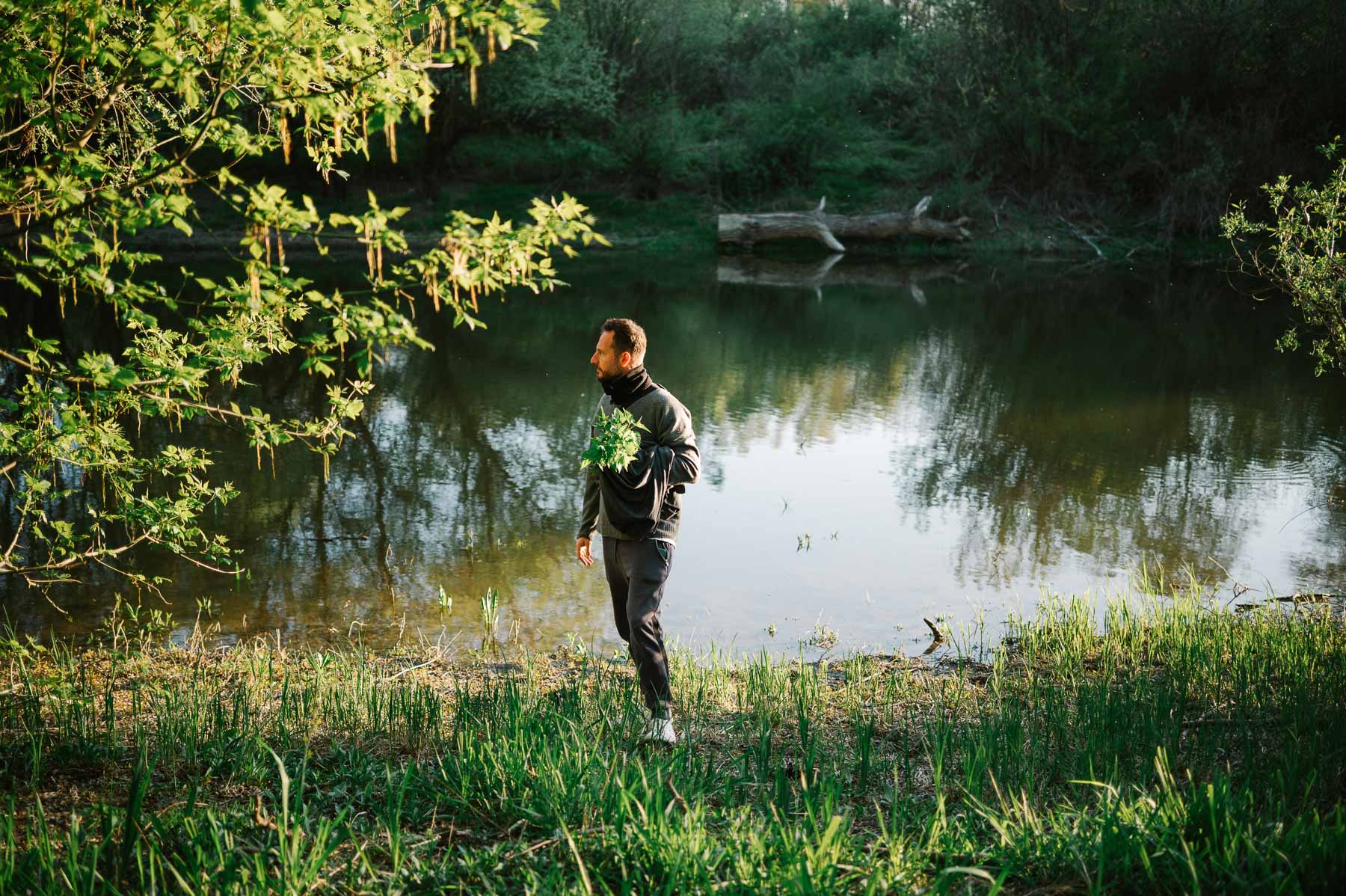
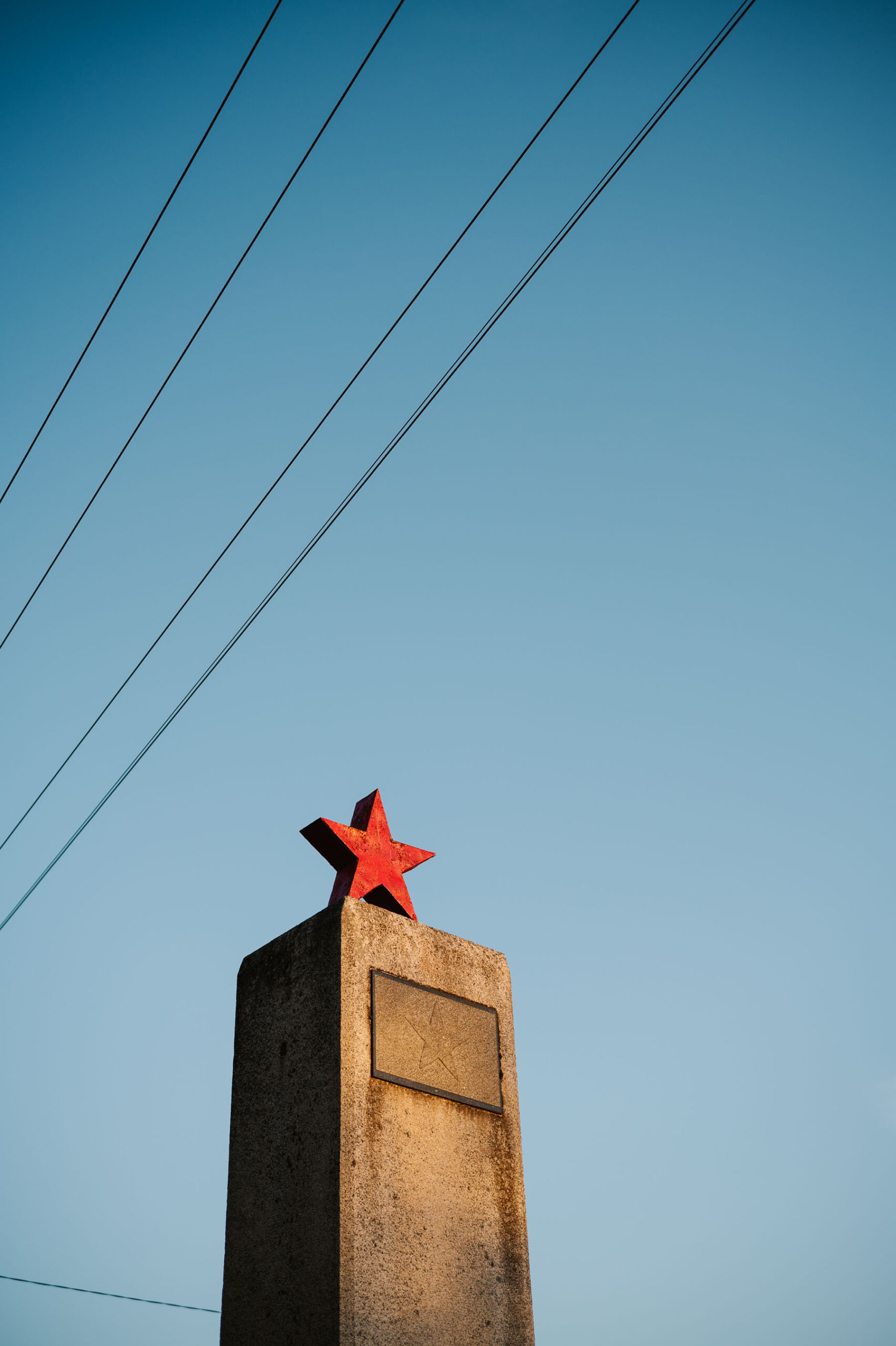
P.S. Here are some more photos. First, a folkloristic evening to collect donations for humanitarian purposes. Among other things, Mirko recites poems he has written himself (above). Then: more impressions from and around Gardinovci.
Via this link to retrace the route.